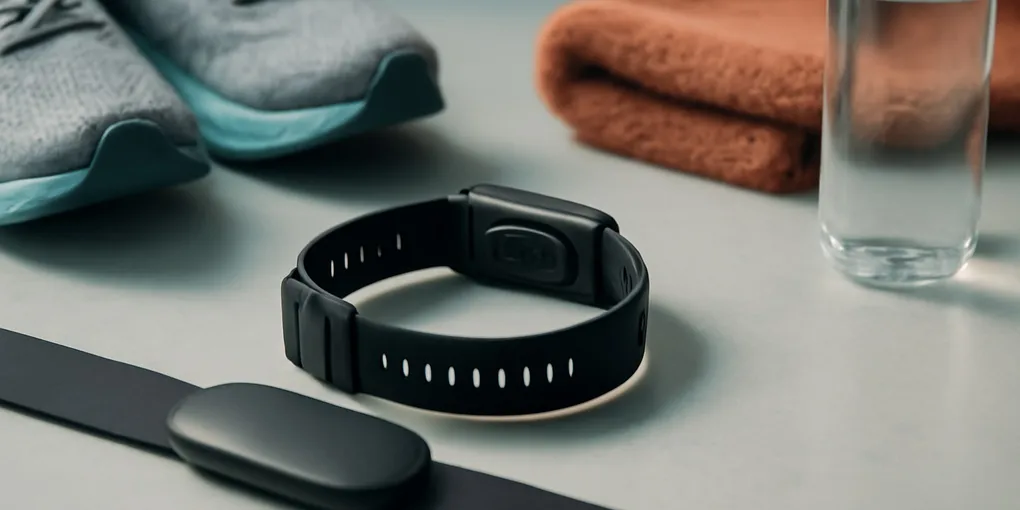
Fitbit Charge 6 Review: A Useful Fitness Band, Not a Medical Heart Monitor
ReviewFitbit Charge 6 fitness tracker
Best slim Fitbit pickBest Use: Daily steps, sleep trends, casual heart-rate zones, and Google/Fitbit ecosystem users
$120-160
Quick picks
Fitbit Charge 6 fitness tracker
★ Top pick Best slim Fitbit pick- Best Use: Daily steps, sleep trends, casual heart-rate zones, and Google/Fitbit ecosystem users
- Caveat: Wrist optical heart rate can lag during intervals and gripping exercises
Chest strap heart-rate monitor
Better for intervals- Best Use: Tempo runs, cycling intervals, rowing, and workouts where heart-rate lag matters
- Caveat: Less convenient for all-day wear
Bottom line
Fitbit Charge 6 is worth considering if you want a slim fitness band for steps, sleep trends, reminders, and casual heart-rate zones. Start by searching Amazon for Fitbit Charge 6 if you prefer a lighter device than a watch and already like the Fitbit app. Skip it if your main use is precise interval training. A chest strap is still the more dependable tool for hard sessions.
The important limitation is not that wrist trackers are useless. It is that wrist optical sensors can lag or lose accuracy when the wrist flexes, grips, sweats, or moves sharply. A 2017 validation study in JAMA Cardiology found variable accuracy across wrist-worn devices compared with electrocardiography, with better performance at rest than during exercise intensity changes (PMID: 28715585). Newer devices improve, but physics still matters.
Who should buy it
Buy Fitbit Charge 6 if you want one light tracker for daily activity, low-key gym sessions, sleep consistency, and heart-rate zone estimates. It is especially practical for people who dislike big watches at night. The band format makes it easier to wear continuously, which is useful because trend data only helps when you actually collect it.
Do not treat it as a diagnostic tool. Chest pain, fainting, unexplained shortness of breath, irregular heartbeat symptoms, or sudden exercise intolerance deserve medical care, not a better wearable. For more training-focused sensor expectations, compare our Garmin HRM-Pro Plus review.
Quick picks
- Best use: everyday fitness tracking and habit feedback.
- Strongest feature: slim form factor that is easy to wear during sleep.
- Weakest fit: high-intensity intervals, heavy gripping, and people who refuse subscriptions.
- Best alternative: a Bluetooth chest strap if heart-rate precision during workouts is the priority.
How to judge this fitness tracker
- Research, 30%: Wearable heart-rate literature supports trend use but shows wrist-device limits during exercise.
- Evidence quality, 25%: Fitbit data can guide habits, but it should not be read as clinical-grade monitoring.
- Value, 20%: The hardware is useful if you will wear it daily; value drops if key insights require a subscription you will cancel.
- User signals, 15%: Comfort, battery life, and app preference matter more than one advertised sensor feature.
- Transparency, 10%: Check which metrics are free and which sit behind Fitbit Premium before buying.
Gym and running notes
For steady walking, easy cycling, and moderate cardio, Charge 6 heart-rate zones are usually good enough for pacing by feel plus trend review. For intervals, rowing, kettlebells, or lifting circuits, expect lag. If your program depends on precise zone changes, use a chest strap and treat the Fitbit as an all-day tracker.
Sleep tracking is most useful as a consistency mirror. Watch bedtimes, wake times, and restlessness trends. Do not panic over a single sleep score after alcohol, travel, illness, or a bad night.
Subscription and ecosystem tradeoffs
Fitbit’s biggest advantage is the daily app experience. Many people find its sleep, readiness, steps, and reminders easier to understand than a sport-watch dashboard. The tradeoff is that some insights may sit behind Fitbit Premium depending on current offers and account status. Before buying, decide whether you want hardware only or whether you are comfortable paying for software after any included trial ends.
The Google ecosystem matters too. If you want a tracker that ties neatly into Fitbit and Google services, Charge 6 makes sense. If you want advanced running metrics, structured workouts, ANT+ sensor pairing, or button-heavy outdoor navigation, it is not the right category. In that case, compare sport watches or use a dedicated strap. Search Amazon for Bluetooth chest strap heart-rate monitors if workout accuracy matters more than all-day comfort.
Accuracy expectations by activity
Walking and easy cycling are forgiving. The wrist is relatively steady, blood flow is predictable, and a small lag does not change the training decision. Intervals are different. During hard efforts, heart rate rises faster than many wrist sensors can display. During burpees, rowing, kettlebells, push-ups, and loaded carries, wrist angle and grip pressure can interfere with the optical signal.
That does not make the data worthless. Use Charge 6 for trends: weekly active minutes, resting heart-rate direction, sleep timing, and whether your easy sessions are drifting harder than planned. Use a chest strap when your workout prescription depends on exact zones or rapid changes.
Best fit
Charge 6 is strongest for the person who wants a small daily tracker, not a training computer. If it nudges you to walk, keeps bedtime more consistent, and helps you notice when easy workouts stop feeling easy, it is doing its job. If you will judge every interval by the number on your wrist, buy a strap instead.
For many buyers, that clear boundary is the review verdict: excellent habit tracker, limited training sensor.
FAQ
Is Fitbit Charge 6 accurate enough for workouts?
It is accurate enough for many casual steady workouts, but not the best choice when exact heart-rate response matters. Wrist sensors often struggle during intervals and gripping movements.
Do I need Fitbit Premium?
No for basic tracking, but some deeper insights and coaching features may require Premium. Check the current app feature split before buying because subscription value depends on what you will actually use.
Is Charge 6 a medical device?
No. Use it for fitness trends and habit feedback. Symptoms such as chest pain, fainting, or unexplained palpitations need professional evaluation.
Sources
- Wang R, Blackburn G, Desai M, et al. Accuracy of wrist-worn heart rate monitors. JAMA Cardiol. 2017. PMID: 28715585. https://pubmed.ncbi.nlm.nih.gov/28715585/
- FDA overview of digital health technologies: https://www.fda.gov/medical-devices/digital-health-center-excellence/what-digital-health