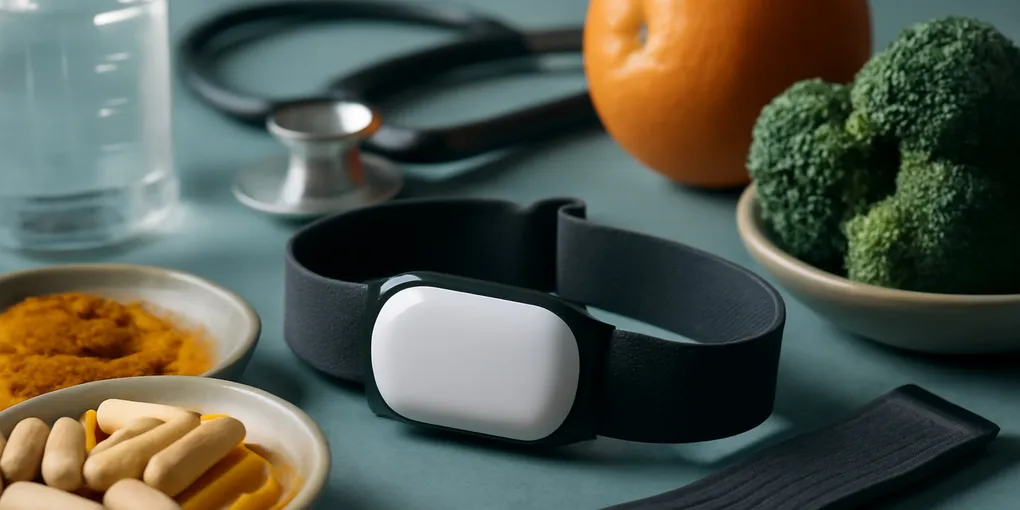
COROS Heart Rate Monitor Review: A Comfortable Arm Strap for Training Zones, Not a Medical Sensor
ReviewCOROS-style optical arm heart-rate monitor
Best if chest straps annoy youBest Use: Running, cycling, and gym sessions where comfort beats ECG-level precision
$70-90
Quick picks
| Product | Key Specs |
|---|---|
| See price on Amazon |
|
| See price on Amazon |
|
Product availability, certifications, and retailer details can change; check the current Amazon page before buying.
Bottom line
The COROS Heart Rate Monitor is worth considering if you want better training-zone data than a watch sensor but dislike chest straps. The best fit is a runner, cyclist, or gym user who values comfort and easy pairing more than the fastest possible interval response. Start by checking current COROS arm heart-rate monitor options and compare the return policy, strap sizing, and compatibility with your watch or app.
If you do short all-out intervals, lab-style threshold testing, or workouts where second-by-second heart-rate response matters, search Amazon for Bluetooth chest heart-rate straps instead.
What it is
The COROS unit is an optical heart-rate sensor worn on the upper arm rather than the wrist or chest. Arm placement can be more stable than the wrist because there is usually more tissue contact and less watch bounce. It is also more comfortable than a chest strap for people who dislike tight bands around the ribs.
That does not make it a medical device. It is a training sensor. Use it to guide easy days, tempo sessions, and broad intensity patterns. Do not use it to diagnose rhythm problems, explain chest symptoms, or override medical advice.
What it does well
The main advantage is wearability. A sensor you actually wear beats a more accurate sensor that stays in a drawer. For steady runs, bike rides, incline walks, and strength circuits with longer rests, an arm strap can give cleaner data than many wrist watches.
It also fits people who use the RPE scale protocol but want a number alongside perceived effort. RPE tells you how the session feels; heart rate shows how the body is responding over time. The best use is combining both, not treating either as absolute truth.
Where it can fall short
Optical sensors estimate pulse from light-based blood-flow signals. Movement, skin contact, temperature, tattoos, strap looseness, and rapid intensity changes can all affect readings. During short intervals, the displayed number may lag behind the work because heart rate itself rises gradually and the sensor also has processing delay.
Chest straps still have an advantage for fast changes because they detect electrical cardiac activity rather than optical pulse signals. If your training depends on precise interval peaks, a chest strap is the better tool.
Buyer fit
Buy the COROS-style arm strap if:
- wrist-watch heart rate often drops out or spikes during runs;
- chest straps chafe, slip, or feel restrictive;
- your workouts are mostly steady, progressive, or moderate intervals;
- your watch or app supports Bluetooth heart-rate sensors.
Skip it if you already tolerate a chest strap and need the fastest response. Also skip it if you only glance at heart rate once a month; your watch may be good enough for casual trend checks.
Setup notes
Wear the band snugly on the upper forearm or upper arm according to the product instructions. It should not slide during arm swing. Warm up before judging accuracy because cold skin and poor perfusion can make optical readings worse.
Pair it before the workout, then check whether the watch is reading from the external sensor rather than the built-in wrist sensor. This small step prevents a common buyer complaint: the strap is working, but the watch never switched sources.
Evidence context
Independent research consistently shows that consumer heart-rate wearables vary by device, activity, and intensity. Wrist optical monitors can be close during steady exercise and less reliable during variable movement (PubMed: PMID 28302596). Product documentation is still important because compatibility, placement, charging, and water-resistance claims are model-specific; review the manufacturer page before buying (COROS: heart rate monitor).
The practical takeaway is not that optical arm straps are bad. It is that they are best treated as training guides. Validate them against how the session feels, and use repeatable conditions when comparing workouts.
What to compare before buying
The most important comparison is not brand prestige. It is whether the sensor works with the devices you already use. Check Bluetooth support, app pairing, battery life, water-resistance language, strap size, and whether replacement bands are easy to find. A comfortable sensor becomes frustrating if the band is proprietary and hard to replace after sweat and washing wear it down.
Also compare charging behavior. A heart-rate strap that needs a special cable is fine if you keep it in one training bag. It is annoying if you travel or rotate between gym, bike, and run kits. If the product page does not clearly show the charger, band size, and pairing standards, treat that as a buyer risk.
How we would use it for zone training
Use the monitor for broad zones rather than single-beat perfection. For easy runs, it should help you avoid drifting too hard. For tempo sessions, it can show whether the same pace is costing more than usual. For intervals, use the number after the rep and during recovery, but do not chase instant peaks during the first seconds of work.
If the reading looks wrong, check fit before blaming fitness. Tighten the band, move it slightly, warm up, and compare it with breathing and RPE. If the strap repeatedly disagrees with effort during steady work, return it and buy a chest strap instead.
FAQ
Is the COROS Heart Rate Monitor more accurate than a watch?
Often it can be more stable than wrist optical heart rate because arm placement may reduce bounce and improve contact. It is still optical, so it can lag or misread during some workouts.
Is it better than a chest strap?
It is usually more comfortable. A chest strap is still the better pick for sharp intervals, threshold testing, or users who care most about fast response.
Can I use it with non-COROS watches?
Check the current Bluetooth compatibility before buying. The product category generally pairs with many devices, but app and watch support vary.
Should I use heart rate or RPE?
Use both. Heart rate is useful trend data, while RPE catches fatigue, heat, poor sleep, and stress that can make the same number feel different.