Somnifix Sleep Strips
Best OverallMaterial: Hypoallergenic fabric
$19–22 (28 strips)
Quick picks
| Product | Key Specs |
|---|---|
| See price on Amazon |
|
| See price on Amazon |
|
| See price on Amazon |
|
Product availability, certifications, and retailer details can change; check the current Amazon page before buying.
How We Score
We evaluate each product using a 5-factor composite scoring system:
| Factor | Weight | What We Measure |
|---|---|---|
| Research Quality | 30% | Clinical evidence, study count, peer review status |
| Evidence Quality | 25% | Dosage accuracy, bioavailability, form effectiveness |
| Value | 20% | Cost per serving, price-to-quality ratio |
| User Signals | 15% | Real-world reviews, verified purchase data |
| Transparency | 10% | Label clarity, third-party testing, company credibility |
Best Mouth Tape for Sleep 2026: Top Picks Reviewed
If you wake up with a dry mouth, sore throat, or feel unrested despite a full 8 hours, there is a good chance you are breathing through your mouth at night.
Mouth breathing during sleep can worsen dry mouth and snoring, and small clinical studies in people with mild obstructive sleep apnea have found that mouth taping can reduce mouth breathing and snoring when nasal airflow is adequate (PMID: 36141367). The practical takeaway is narrower than the hype: mouth tape is a low-cost nasal-breathing prompt for screened adults, not a treatment for sleep apnea.
James Nestor’s book Breath introduced millions of people to the practice. Andrew Huberman has discussed nasal breathing extensively on his podcast. The research on mouth-breathing vs nasal-breathing health outcomes is compelling. But which mouth tape should you use?
This guide covers the top options, how to choose, and who should (and should not) use mouth tape.
Why Nasal Breathing During Sleep Matters
Your nose is a highly specialized air-processing organ. When you breathe through it:
Nitric oxide production: The nasal passages produce nitric oxide (NO), a vasodilator that improves oxygen delivery to tissues. Nasal breathing delivers 10–25% more oxygen to the bloodstream than mouth breathing for the same respiratory effort.
Air filtration and humidification: Nasal hairs and mucous membranes filter particulates, bacteria, and allergens. They also warm and humidify air before it reaches the lungs, reducing airway irritation.
Reduced snoring: Most snoring originates from mouth breathing-induced vibration of the soft palate and uvula. Nasal breathing eliminates this sound source in many people.
CO2 balance: The Bohr effect describes how CO2 is required for hemoglobin to release oxygen to cells. Mouth breathing’s higher ventilation rate can lower CO2 excessively, paradoxically reducing tissue oxygenation even as you breathe more air.
Deep sleep quality: Studies on sleep-disordered breathing show that even subclinical mouth breathing is associated with lighter sleep stages and more nighttime arousals.
What to Look for in Mouth Tape
Not all mouth tapes are equal. Key considerations:
Adhesive strength: Needs to stay in place all night without irritating lips and perioral skin. Too strong = redness and discomfort in the morning. Too weak = falls off within an hour.
Breathing vent: A small mesh vent in the center (like Somnifix) allows some air flow if your nose gets congested, reducing the claustrophobia risk of full-coverage tape.
Skin safety: Latex-free, hypoallergenic materials are essential. Avoid industrial tapes — the adhesives are too strong for facial skin.
Size: Wide enough to cover the lips comfortably during natural movements and jaw relaxation in sleep.
Comfort for beginners: First-timers benefit from a more permeable, lighter-adhesive product while building confidence with the practice.
Top Mouth Tape Picks
1. Somnifix Sleep Strips — Best Overall
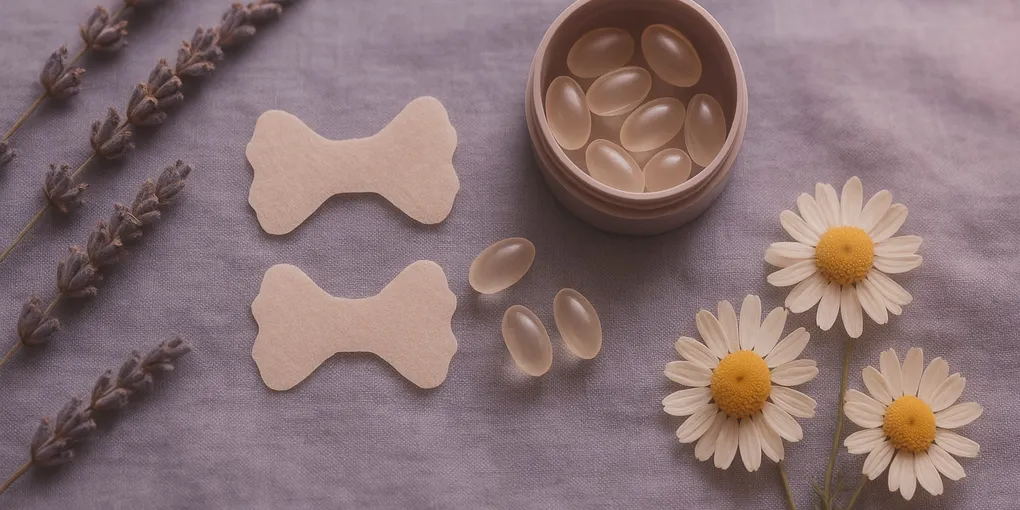
Somnifix is the product that made mouth taping mainstream. Their Sleep Strips are purpose-engineered for sleep use: gentle hypoallergenic fabric, repositionable adhesive, and a central mesh vent that allows emergency mouth breathing if nasal congestion occurs.
The vent is the key differentiator. It eliminates the anxiety some beginners feel about being “locked” mouth-shut. You can still breathe through your mouth if needed — the tape simply provides resistance that encourages nasal breathing without forcing it.
What we like:
- Mesh breathing vent for safety and comfort
- Hypoallergenic fabric is gentle on sensitive skin
- Strong enough to stay all night, gentle enough to remove easily
- No residue left on lips
What to know:
- More expensive per strip than DIY alternatives (~$0.70/strip)
- Narrower coverage than some competitors — very severe mouth breathers sometimes need a wider strip
Best for: Beginners, people with sensitive skin, anyone who wants a product specifically designed for sleep use.
Check current price on Amazon →
2. Hostage Tape — Best for Committed Mouth Breathers
Hostage Tape was designed for people with significant mouth-breathing habits who need stronger adhesion and fuller coverage. The strip is wider and uses a more aggressive (but still skin-safe) flexible adhesive that does not peel off with natural sleeping movements.
No breathing vent — this is full-coverage tape for people who are ready to commit to nasal breathing or are using it alongside nasal strips. The brand has built a strong following in the biohacking community.
What we like:
- Wider coverage ensures full lip seal even with jaw relaxation
- Stays put even through active sleepers’ movement
- Pairs well with nasal dilator strips for congested sleepers
- Popular with athletes using it during workouts too
What to know:
- No breathing vent — requires confidence that nasal passages are clear
- Stronger adhesive can feel more noticeable in the morning
- More expensive than Somnifix per strip
Best for: Experienced mouth tape users, heavy mouth breathers, people who find lighter tapes fall off.
3. 3M Micropore Medical Tape — Best Budget Option
Before purpose-built sleep strips existed, some users cut strips from 3M’s Micropore surgical tape. Treat this as an off-label sleep hack rather than a sleep-medicine device: start with a small vertical strip, stop if skin irritation or panic occurs, and remember that the mouth-taping evidence applies to carefully screened nasal breathers rather than every snorer (PMID: 36141367).
How to use: Cut a 2–3 inch strip and apply vertically across the lips (sealing the center seam, not gluing the lips together). This lighter application allows mouth opening if needed while still prompting nasal breathing.
What we like:
- Dramatically cheaper (~$0.08/night vs $0.70+ for branded strips)
- Widely available at any pharmacy
- Medical-grade adhesive is safe and tested
- Very light feel — some people prefer this to purpose-built strips
What to know:
- Requires cutting your own strips
- No built-in vent
- Paper tape can wrinkle or feel stiff
- Less secure than fabric strips for active sleepers
Best for: Budget-conscious users, people testing mouth taping before committing to a dedicated product.
Check current price on Amazon →
Mouth Tape Comparison
| Feature | Somnifix | Hostage Tape | 3M Micropore |
|---|---|---|---|
| Cost per night | ~$0.70 | ~$0.85 | ~$0.08 |
| Breathing vent | Yes | No | No |
| Adhesive strength | Medium | Strong | Light |
| Skin sensitivity | Excellent | Good | Good |
| Beginner-friendly | ★★★★★ | ★★★ | ★★★★ |
| Heavy mouth breathers | ★★★ | ★★★★★ | ★★ |
How to Start Using Mouth Tape
Week 1 — Daytime practice: Wear a strip for 15–30 minutes while awake during the day. Read, watch TV, do light work. This builds comfort before applying it during sleep when you cannot consciously monitor it.
Night 1–3: Apply the strip just before turning out the light. If you wake up with it removed, that is normal — you likely pulled it off in your sleep without realizing it. This becomes less common after a few nights.
Congestion check: Do not use mouth tape if your nasal passages are significantly blocked. Test nasal airflow by closing your mouth and breathing comfortably through your nose for 30 seconds. If you cannot do this, clear the congestion first (saline rinse, antihistamine) or use a nasal dilator strip in combination.
Persistence: Most people report meaningful improvement within 3–7 nights — less dry mouth, less snoring (often reported by partners), and a more refreshed feeling on waking. The adaptation period is short.
Who Should NOT Use Mouth Tape
Mouth tape is safe for most adults but has contraindications:
- Diagnosed obstructive sleep apnea (OSA): Do not use without consulting your sleep physician. OSA requires specific treatment such as CPAP or an oral appliance; mouth taping alone is not an apnea treatment and could mask symptoms. NHLBI’s sleep apnea overview lists loud snoring, gasping, and daytime sleepiness as reasons to seek medical evaluation: https://www.nhlbi.nih.gov/health/sleep-apnea
- Significant nasal obstruction: Deviated septum, nasal polyps, or severe chronic congestion should be addressed first; nasal-breathing devices are only sensible when the nose can move air comfortably (PMID: 17166981).
- Nausea or risk of vomiting: The rare but serious concern is aspiration.
- Under 18: Consult a pediatrician before use.
- After alcohol or sleep medication: These impair arousal response, so do not combine them with mouth taping.
If you snore loudly, stop breathing during sleep (reported by a partner), or wake gasping, get a sleep study first — these are signs of sleep apnea requiring medical evaluation, not mouth tape.
Nasal Strips as a Companion Product
Many mouth tape users combine strips with nasal dilators like Breathe Right Strips — see current price on Amazon. Nasal strips mechanically open nasal passages, reducing nasal resistance and making nasal breathing easier — particularly for those with narrow airways or mild congestion. The combination of nasal strip + mouth tape produces better outcomes than either alone for most users.
The Bottom Line
For most people starting with mouth tape: Somnifix is the right choice. The breathing vent removes the primary psychological barrier, the adhesive is lighter than DIY full-mouth taping, and the format matches the screened-adult use case studied in mild sleep-disordered breathing research (PMID: 36141367). Start there if your nose passes the airflow test.
If you are an experienced mouth tape user who needs stronger hold: Upgrade to Hostage Tape. The wider coverage and more aggressive adhesive handle heavy mouth-breathers who peel off lighter strips.
If you want to try it before spending money: Pick up 3M Micropore at any pharmacy for $5 and cut it into strips. Vertical application across the center seam (not horizontally across both lips) is the most comfortable starting position.
The investment is small. The potential upside — better sleep, less snoring, more energy on waking — makes mouth tape one of the highest ROI sleep interventions available.
Related Sleep stack cluster
Mouth tape works best as part of a sleep basics stack: review magnesium glycinate, glycine vs L-theanine, and blackout curtains if light, stress, or mineral gaps are also limiting sleep quality.
Frequently Asked Questions
Who should avoid mouth tape products?
For healthy adults without sleep apnea or significant nasal obstruction, usually yes. Somnifix’s vented design is the most beginner-friendly format here. The key is ensuring your nose can breathe freely before taping: do the 30-second nasal breathing test described above. If you have diagnosed or suspected sleep apnea, follow medical evaluation guidance rather than self-treating with tape: https://www.nhlbi.nih.gov/health/sleep-apnea
Does mouth tape reduce snoring?
It may reduce snoring when the snoring is driven by mouth breathing and nasal airflow is good. In one small mild-OSA study, mouth taping reduced mouth breathing and snoring measures, but that finding should not be generalized to nasal obstruction or untreated sleep apnea (PMID: 36141367). It will not help snoring caused by blocked nasal passages or structural airway problems.
Can you breathe through your nose all night with your mouth taped?
For most people, yes. Your body is capable of breathing entirely through the nose during sleep — it is how humans breathed for most of evolutionary history. The challenge is that years of mouth breathing create habitual patterns. Mouth tape re-establishes nasal breathing as the default over 1–2 weeks.
Should you use mouth tape with a CPAP machine?
Only under guidance from your sleep physician or CPAP provider. There are specific chin straps and nasal mask configurations designed for mouth-breathing CPAP users. Do not self-modify CPAP therapy with mouth tape without professional input.
How do you remove mouth tape in the morning?
Wet your lips slightly and peel from the corner. Purpose-built strips like Somnifix are designed to release cleanly. 3M Micropore tape leaves minimal residue that wipes away with a damp cloth. Never yank tape off dry — this causes micro-tears in the skin around the lips.
Related Articles
- Best Sleep Tracker for Deep Sleep — track sleep timing, awakenings, and snoring trends while remembering that consumer trackers do not diagnose apnea.
- Best Magnesium for Sleep — pair breathing changes with a separate sleep-quality lever only when magnesium intake or tolerance makes sense.
- Best White Noise Machine for Sleep — use sound masking for environmental awakenings, not as a substitute for sleep-breathing evaluation.
- Best Humidifier for Sleep in Dry Air — a humidifier may reduce nasal dryness that pushes some people toward mouth breathing, especially in dry rooms; separate sleep-breathing symptoms still belong in medical evaluation when apnea signs appear: https://www.nhlbi.nih.gov/health/sleep-apnea
Related reading: Best Sleep Tracker for Deep Sleep and Best Magnesium for Sleep.