1. Oura Ring 4
Sleep-focused buyersBest Use: Sleep-focused buyers
Check current Amazon pricing
Quick picks
| Product | Key Specs |
|---|---|
| See price on Amazon |
|
| See price on Amazon |
|
| See price on Amazon |
|
Product availability, certifications, and retailer details can change; check the current Amazon page before buying.
How We Score
We evaluate each product using a 5-factor composite scoring system:
| Factor | Weight | What We Measure |
|---|---|---|
| Research Quality | 30% | Clinical evidence, study count, peer review status |
| Evidence Quality | 25% | Dosage accuracy, bioavailability, form effectiveness |
| Value | 20% | Cost per serving, price-to-quality ratio |
| User Signals | 15% | Real-world reviews, verified purchase data |
| Transparency | 10% | Label clarity, third-party testing, company credibility |
Best Sleep Tracker for Deep Sleep 2026: Oura, Whoop, Garmin, Apple Watch, and Fitbit Compared
Deep sleep — also called slow-wave sleep (SWS) or N3 — is the stage most associated with high arousal threshold, slow EEG activity, and several recovery-related physiologic changes. Sleep-medicine references describe N3 as part of normal non-REM cycling, but consumer devices should not turn one nightly stage estimate into a diagnosis (NCBI sleep physiology overview: https://www.ncbi.nlm.nih.gov/books/NBK526136/).
For adults, deep-sleep time varies by age, total sleep duration, alcohol use, illness, training load, and the device algorithm. A pattern of very low deep-sleep estimates can be a useful prompt to review sleep duration, alcohol timing, room temperature, and sleep-apnea symptoms, but persistent fatigue or unrefreshing sleep belongs with a clinician rather than a shopping cart (normal N3/slow-wave sleep context: StatPearls sleep physiology, PMID: 30252388).
But how accurately can consumer wearables actually detect deep sleep? Reviews of wearable sleep technology find useful trend data but weaker stage-level precision than lab EEG, which is why this guide treats deep-sleep estimates as buying and behavior cues rather than diagnoses (PMID: 34444054).
How Consumer Sleep Trackers Detect Deep Sleep
No consumer device uses EEG (electroencephalography) — the gold-standard method used in clinical sleep labs. Instead, they rely on:
- Photoplethysmography (PPG): Optical heart rate sensors that detect changes in blood volume under the skin, inferred to indicate autonomic nervous system state and sleep stage
- Accelerometry: Movement detection (deep sleep = minimal movement)
- Skin temperature sensors: Body temperature drops during deep sleep, rises during REM
- HRV patterns: Heart rate variability patterns differ between sleep stages
The accuracy of consumer sleep staging has improved substantially, but it remains a trend tool rather than a clinical test. Reviews of wearable sleep technology find better sleep/wake detection than precise stage classification, especially when a device has to infer brain-state changes from movement, heart rate, temperature, or oxygen patterns instead of EEG (wearable sleep technology review, PMID: 34444054).
The Top Sleep Trackers for Deep Sleep (2026)
1. Oura Ring 4
Deep sleep tracking: Excellent Method: PPG + temperature + accelerometer + SpO2 Price: $349 device + $6/month subscription
The Oura Ring 4 is the strongest consumer sleep-tracking pick for buyers who want a ring rather than a watch. The ring form factor can collect a stable finger PPG signal overnight, but it still estimates sleep stages indirectly; wearable sleep-technology reviews caution that stage-level accuracy remains weaker than sleep/wake detection (PMID: 34444054).
Key features:
- Daytime Stress tracking (HRV-based continuous monitoring)
- Resilience score (long-term recovery trend)
- Cardiovascular Age estimate
- Temperature baseline tracking (useful for illness detection and cycle tracking)
Best for: Anyone who prioritizes sleep tracking accuracy above all else, or who finds wrist devices uncomfortable to sleep in.
2. Whoop 4.0
Deep sleep tracking: Very good Method: PPG + skin conductance + temperature + accelerometer Price: Free device + $18–30/month subscription
Whoop’s strength is continuous monitoring and the integration of sleep data into a broader recovery picture. Rather than showing you isolated sleep stages, Whoop contextualizes your deep sleep within your HRV, strain, and overall recovery trend.
For athletes and performance-focused users, this contextual approach is more actionable than raw sleep stage numbers. Whoop also provides a Sleep Coach that adjusts recommended sleep duration based on training load and recovery debt.
Best for: Athletes who want sleep data integrated with performance tracking.
3. Garmin Fenix 8 / Forerunner 965
Deep sleep tracking: Good Method: PPG + accelerometer + pulse ox Price: $700–$1,000 (no subscription)
Garmin’s premium watch lineup offers Body Battery (energy level metric), HRV Status, and detailed sleep staging. The accuracy is good but slightly below Oura in head-to-head studies.
The significant advantage: no subscription fee. Pay once, track forever. Garmin’s ecosystem is also unmatched for multisport GPS tracking, making these watches ideal for serious athletes who don’t want separate devices.
Best for: Outdoor athletes, runners, and cyclists who want GPS + sleep tracking in one device.
4. Fitbit Charge 6
Deep sleep tracking: Good Method: PPG + accelerometer + SpO2 Price: ~$160 + optional Google One subscription ($10/month for premium features)
Fitbit has been tracking sleep stages since 2017 and has refined its algorithms substantially. The Charge 6 provides Sleep Score (0–100), sleep stage breakdown, and SpO2 monitoring that may flag breathing-pattern clues, but wearable sleep reviews still caution against treating consumer stage labels as polysomnography (PMID: 34444054).
The Fitbit app provides excellent historical sleep data visualization and Sleep Profile (monthly analysis of your sleep patterns). Free tier shows basic sleep data; premium unlocks deeper analysis.
Best for: Value-oriented buyers who want solid sleep tracking without the subscription cost of Whoop or Oura.
5. Apple Watch Series 10
Deep sleep tracking: Good (improved with WatchOS 11) Method: PPG + accelerometer + skin temperature Price: ~$399
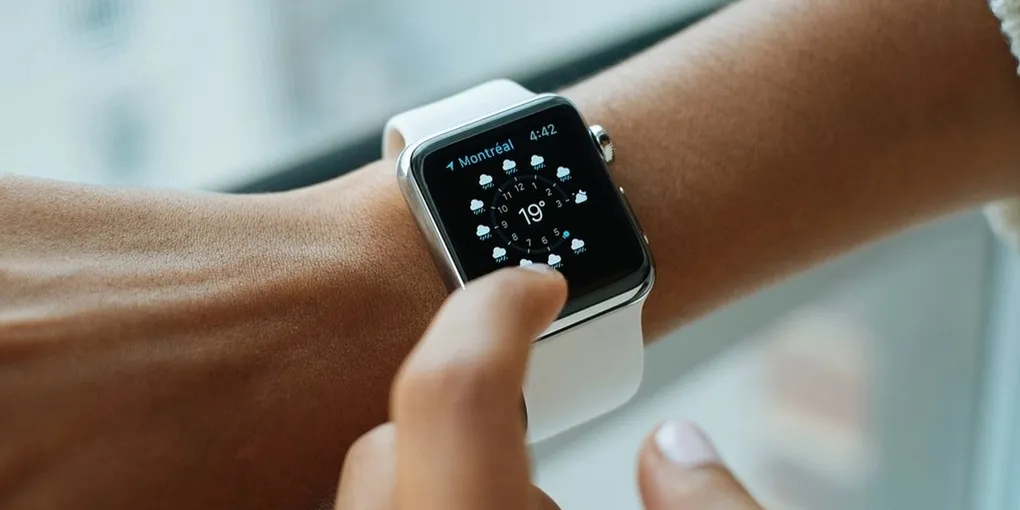
WatchOS 11 improved sleep staging significantly with the addition of skin temperature sensing. Apple Watch now tracks light sleep, core sleep, REM, and deep sleep. Sleep Score and detailed staging data are available in the Health app.
The limitation: Apple Watch requires nightly charging, which conflicts with wearing it to sleep. Many Apple Watch users wear it during the day and charge overnight — making it impractical as a dedicated sleep tracker.
Best for: Existing iPhone/Apple Watch ecosystem users who want sleep tracking without a separate device.
Accuracy Comparison
| Device | Deep Sleep Accuracy | vs. PSG Agreement |
|---|---|---|
| Oura Ring 4 | Best consumer-grade | ~80–85% |
| Whoop 4.0 | Very good | ~75–80% |
| Garmin Fenix 8 | Good | ~70–75% |
| Fitbit Charge 6 | Good | ~70–75% |
| Apple Watch | Decent | ~65–70% |
Note: PSG (polysomnography) agreement values are estimates based on available independent studies. Results vary by individual and sleep condition.
What to Do With Your Deep Sleep Data
If your deep sleep is consistently under 45 minutes per night:
- Alcohol within 3 hours of bed dramatically suppresses deep sleep — cut this first
- Room temperature above 68°F (20°C) degrades deep sleep; try 65–67°F (18–19°C)
- Blue light exposure within 1–2 hours of bed delays sleep onset and reduces SWS
- Check for sleep apnea symptoms — it severely disrupts deep sleep architecture
- Magnesium glycinate (300–400 mg before bed) has clinical support for improving SWS; treat this as a general sleep-support prompt rather than a diagnosis or treatment plan (slow-wave sleep context: PMID: 30252388)
Use this list as a troubleshooting prompt, not a diagnosis. Sleep-medicine references explain normal N3/slow-wave cycling, while consumer-wearable reviews caution that stage estimates should be interpreted as trends rather than clinical measurements (PMID: 30252388; PMID: 34444054).
If your tracker shows low deep sleep but you feel rested: Remember: consumer trackers have real error rates. A single night’s data is unreliable. Focus on trends over weeks, not individual nights.
Related Articles
- Oura Ring vs Whoop Band — Detailed head-to-head of the two leading recovery wearables.
- Best Magnesium Supplement for Sleep — Evidence-based supplementation for improving deep sleep.
Frequently Asked Questions
Which sleep tracker is most accurate for deep sleep? The Oura Ring 4 consistently ranks highest for sleep staging accuracy in independent comparisons, primarily because the ring form factor provides better blood flow signal than wrist devices.
Can a smartwatch accurately track deep sleep? Reasonably well, not perfectly. Consumer sleep trackers are useful for identifying trends over weeks and months, but wearable sleep-technology reviews show stronger sleep/wake performance than precise stage classification (https://pmc.ncbi.nlm.nih.gov/articles/PMC8120339/).
What is a good amount of deep sleep per night? Most adults average 13–23% of their total sleep time in deep sleep (slow-wave sleep). For a 7-hour night, that is approximately 55–95 minutes. Under 45 minutes consistently warrants investigation.
Is the Oura Ring subscription worth it? The basic Oura app (free) shows your readiness, sleep, and activity scores. The subscription ($6/month) unlocks trend analysis, stress features, and advanced recommendations. Most serious users find the subscription worthwhile.
Do sleep trackers detect sleep apnea? No consumer wearable diagnoses sleep apnea. Some devices flag oxygen desaturation events or abnormal breathing patterns that may warrant a sleep study, but AASM describes formal sleep-apnea diagnosis as a clinical sleep-test question (https://sleepeducation.org/sleep-disorders/obstructive-sleep-apnea/). If you snore heavily or frequently wake unrefreshed, see a doctor.