Quick picks
| Product | Key Specs |
|---|---|
| See price on Amazon |
|
| See price on Amazon |
|
Product availability, certifications, and retailer details can change; check the current Amazon page before buying.
Nasal comfort is not airway treatment
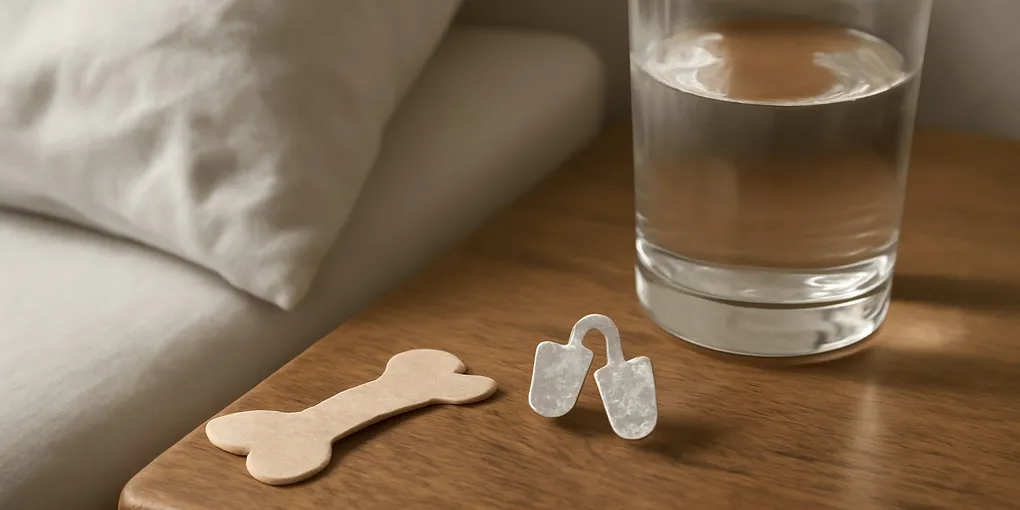
Nasal dilators can reduce resistance at the nasal valve for some people. External strips pull the nasal sidewalls outward; internal cones or frames support the nostril from inside. That can make nasal breathing feel easier when congestion or sidewall collapse is part of the problem. It does not hold the throat open, prevent obstructive events, or make sleep apnea safe to ignore.
Check current Intake Breathing nasal-dilator options if you want a reusable external approach. Check current reusable nasal-dilator cone options if adhesive is the main barrier. Read fit, cleaning, return, and skin-contact details for the exact item rather than treating every dilator as interchangeable.
What the evidence supports
A systematic review of nasal dilators found that they can alter nasal resistance, but improvements in objective sleep-apnea outcomes were not established. That distinction matters. A person may feel that airflow is better at bedtime and still have obstructive events during sleep. Snoring can also arise from the palate, tongue, alcohol, body position, weight changes, sedatives, or untreated nasal disease.
The American Academy of Sleep Medicine recommends formal evaluation and evidence-based treatment for suspected obstructive sleep apnea. Nasal comfort aids can be discussed as adjuncts for someone using a prescribed treatment, but they are not substitutes for CPAP, oral appliance evaluation, positional therapy, weight management when relevant, or clinician-directed care.
When a short nasal-dilator trial is reasonable
A short trial is most plausible when you can identify nasal resistance: one side collapses while you inhale, allergies or a cold make nasal breathing harder, or you already breathe better when the nostril sidewall is gently lifted. Use the same device for several ordinary nights and record comfort, skin reaction, whether it stays in place, and any bed-partner observation of snoring.
If nasal congestion is the dominant issue, see current saline nasal rinse-kit options before assuming a dilator is the answer. Use distilled, sterile, or previously boiled and cooled water for rinsing, as CDC guidance specifies. A rinse is not a sleep-apnea treatment either.
Who should skip a shopping experiment
Skip the product trial and seek assessment for witnessed pauses in breathing, gasping or choking at night, severe daytime sleepiness, morning headaches, drowsy driving, uncontrolled hypertension, atrial fibrillation, or chest symptoms. These are not buyer-guide details. They can indicate sleep-disordered breathing that needs evaluation.
Do not push through nosebleeds, open skin, pain, infection, recent nasal surgery, or a poor fit that creates pressure. Children who regularly snore need pediatric guidance rather than adult nasal products.
Using a dilator alongside prescribed apnea care
Some CPAP users have nasal dryness or difficulty tolerating nasal airflow. The right first response may be a mask refit, humidification adjustment, allergy treatment, or clinician advice. A dilator can feel helpful for nasal airflow, but do not change prescribed pressure settings or abandon treatment because a strip makes the nose feel open.
Bring the exact product name and a brief symptom log to a sleep-medicine visit. That is more useful than saying a generic breathing aid worked or failed.
For a CPAP user, the buying question is narrower than “does this stop snoring?” A useful dilator is one that does not create pressure where the mask seals, does not worsen a leak, and makes the prescribed setup easier to tolerate. If it solves none of those problems, return-window and cleaning details matter more than a stronger airflow claim.
Fit, hygiene, and the real return decision
An external device should sit where it supports the nasal sidewall without pinching the nostril rim. An internal device should feel secure but not create pressure, rubbing, or bleeding. Clean reusable pieces exactly as the manufacturer directs, let them dry fully, and do not share them. A device that falls out, causes irritation, or requires constant repositioning has failed even if its product page promises better airflow.
For a meaningful trial, separate nasal comfort from apnea outcomes. Record whether nasal breathing feels easier before sleep, whether the device remains comfortable through the night, and whether prescribed therapy is easier to tolerate. Do not interpret a quieter night as proof that breathing pauses disappeared; only appropriate testing can answer that question.
Allergy seasons and a blocked-nose pattern
A dilator cannot move mucus, reduce inflammation, or correct a deviated septum. During allergy season, the change that matters may be clinician-directed allergy care, a correctly used nasal spray, or a saline routine rather than more mechanical force at the nostril. If one side is persistently blocked, you have recurrent sinus infections, or smell changes persist, arrange an ear, nose, and throat assessment. A nasal product should not become a workaround for an anatomical or inflammatory issue that needs examination. This is particularly relevant if symptoms persist outside cold or allergy periods.
Nasal Dilator and Sleep Apnea FAQ
Do nasal dilators cure sleep apnea?
No. They may make nasal breathing more comfortable, but they do not reliably reduce the throat collapse that defines obstructive sleep apnea.
Are internal dilators better than nasal strips for snoring?
Neither is universally better. Internal dilators avoid adhesive but depend on sizing and cleaning; strips are simpler but can irritate skin. Both are only sensible when nasal resistance appears to be part of the problem.
Can I use a nasal dilator with CPAP?
Ask your sleep clinician or equipment provider, especially if you have irritation or mask leaks. Do not use a dilator as a reason to change or stop prescribed therapy.
Sources
- Camacho M, et al. Nasal dilators for snoring and obstructive sleep apnea: https://pubmed.ncbi.nlm.nih.gov/27568923/
- American Academy of Sleep Medicine, obstructive sleep apnea overview: https://sleepeducation.org/sleep-disorders/obstructive-sleep-apnea/
- CDC, safe sinus rinsing: https://www.cdc.gov/naegleria/prevention/sinus-rinsing.html
- Related reading: nasal strips for snoring and training and mouth tape sleep snoring evidence.
Frequently Asked Questions
- No. They may make nasal breathing more comfortable, but they do not reliably reduce the throat collapse that defines obstructive sleep apnea.
- Neither is universally better. Internal dilators avoid adhesive but depend on sizing and cleaning; strips are simpler but can irritate skin. Both only make sense when nasal resistance appears to be part of the problem.
- Ask a sleep clinician or equipment provider, especially if you have irritation or mask leaks. Do not use a dilator as a reason to change or stop prescribed therapy.