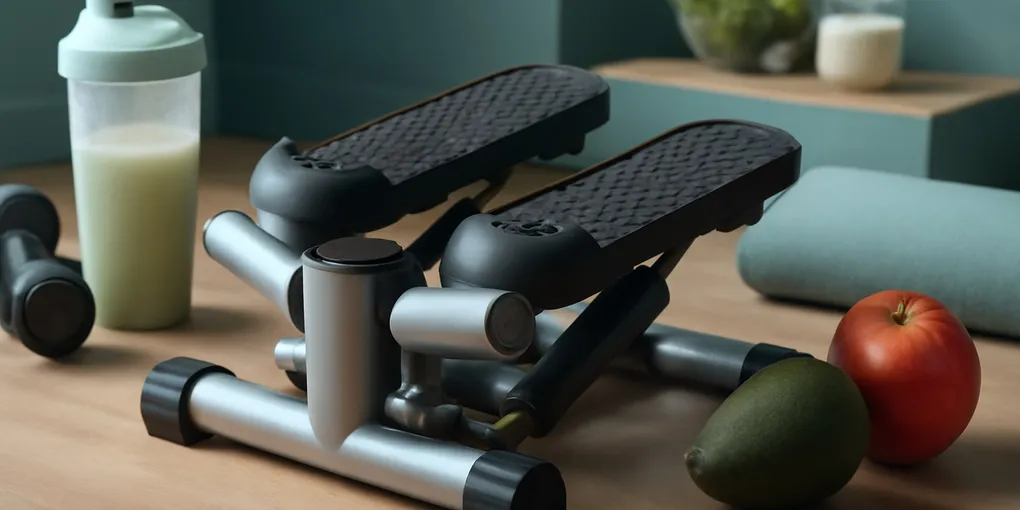
Best Mini Steppers for Low-Impact Cardio: Stable, Quiet Picks for Small Spaces
Buyer's GuideSunny Health & Fitness Mini Stepper with Resistance Bands
Best proven small-space stepperBest Use: Short indoor cardio blocks when floor space is limited
Check current price
Quick picks
| Product | Key Specs |
|---|---|
| See price on Amazon |
|
| See price on Amazon |
|
| See price on Amazon |
|
Product availability, certifications, and retailer details can change; check the current Amazon page before buying.
Bottom line
For low-impact apartment cardio, the useful shortlist is Sunny Health & Fitness for a compact floor stepper, Sportsroyals when balance support matters, and Niceday when wide pedals and quiet operation are the priority. Treat the quick picks as model-specific shortlists, then confirm current dimensions, materials, return terms, and seller details before ordering.
Quick picks
- Best proven small-space stepper: Search Amazon for Sunny Health & Fitness Mini Stepper with Resistance Bands — short indoor cardio blocks when floor space is limited. Hydraulic cylinders can heat up during long sessions.
- Best balance-support pick: Search Amazon for Sportsroyals Stair Stepper with Handlebar — users who want a hand contact point while learning the stepping rhythm. Takes more storage space than a floor-only unit.
- Best wide-pedal apartment option: Search Amazon for Niceday Steppers for Exercise — low-noise evening cardio and smaller rooms where pedal feel matters. Check recent buyer notes for squeaks and cylinder heat.
Treat mini steppers as small-space cardio tools with different stability tradeoffs. Sunny is the compact budget pick, Sportsroyals adds a handlebar for users who want more contact points, and Niceday is the larger quiet-stepper alternative when floor footprint is less constrained. If two listings look similar, favor the one that publishes a weight rating, pedal dimensions, and realistic cooldown guidance.
How to choose the right style
For most apartments, start with a floor-only hydraulic stepper and judge it on three specs: published weight rating, pedal size, and whether the resistance cylinders are easy to cool, lubricate, or replace. A high step range sounds harder, but it can also make the motion choppier and more knee-dominant. If low-impact cardio is the goal, a smooth shallow stroke is usually more useful than the deepest possible pedal drop.
Choose a handlebar model when balance confidence is the barrier. This is different from choosing it for intensity. A handlebar should let you touch lightly while you learn the rhythm; if you need to lean heavily on it for the full session, the step height, cadence, or machine choice may be wrong. Check the footprint with the handlebar attached, because many buyers underestimate the storage penalty.
Choose a wide-pedal quiet model when the stepper will live in a shared apartment, upstairs room, or TV area. Look for recent reviews that mention squeaks after several weeks, not just first-day impressions. Also check whether the frame has rubber feet and whether buyers use a mat. A compact stepper can still annoy downstairs neighbors if the frame rocks or the pedals bottom out.
Product details that matter more than the calorie screen
The calorie counter is the least important feature. Mini steppers usually estimate calories from time, step count, or generic resistance assumptions, not from your actual oxygen use. Treat the screen as a timer and cadence cue, not a nutrition ledger.
Pedal texture matters more. Smooth plastic pedals can feel fine for two minutes and sketchy once shoes get damp. A raised texture or grippy surface helps, but it should not be so sharp that it chews up thin training shoes. If product photos show tiny pedals relative to the frame, read buyer comments from people with your shoe size.
Cylinder placement also matters. Some compact steppers put hot hydraulic cylinders close to the feet or frame edges. That is normal for the category, but it means children, pets, and bare skin should stay away during and after use. If a manual recommends cooldown periods, follow that limit rather than trying to turn a movement-snack machine into a long cardio session.
What a mini stepper does well
A mini stepper solves a narrow problem: getting more lower-body movement indoors without dedicating a room to exercise equipment. It is easiest to use for five- to fifteen-minute blocks while listening to a call, warming up before strength training, or adding steps when weather makes outdoor walking unrealistic.
The movement is closer to small stair climbs than outdoor walking. Your hips and knees flex repeatedly while your feet stay planted. That means impact is low, but joint load is not zero. If stairs bother your knees, a mini stepper may still bother them, especially at high resistance or deep pedal travel.
For broader activity guidance, the CDC recommends adults combine aerobic movement with muscle-strengthening work. A mini stepper can help with the aerobic side, but it does not replace resistance training, mobility, or outdoor walking variety.
Pedal width and stance matter
Pedals are the first spec to check. Narrow pedals force your feet into one stance, which can make knees drift inward or outward. Wide textured pedals give you room to find a natural position and reduce the chance that a shoe slides during sweaty sessions.
Look at the pedal spacing as well as the pedal size. If the feet are too close together, the stepper can feel cramped. If they are too far apart, the motion may feel awkward for smaller users. Product photos from the front and top are more useful than calorie-counter screenshots.
Use supportive shoes, not socks. Barefoot stepping on small textured pedals can irritate the feet, and socks can slip. If you plan to use the stepper near a desk, keep a dedicated pair of clean shoes nearby so convenience does not become a safety compromise.
Hydraulic resistance and session length
Most compact steppers use hydraulic cylinders. They are simple and affordable, but they can heat up with long continuous use. Some product manuals warn users to limit session duration or allow cooldown time. That is not a deal-breaker if your goal is movement snacks; it is a problem if you want a forty-minute steady-state machine.
The best buyer move is to match the machine to your actual use. If you want ten-minute blocks, a basic hydraulic unit can be enough. If you want longer cardio, consider a larger stepper, exercise bike, or walking pad. For a walking alternative, compare the setup tradeoffs in our treadmill desk walking shoes guide.
Handles, bands, and balance
Removable resistance bands are common, but they are usually not the reason to buy the machine. Many included bands are light, short, or awkwardly anchored. Treat them as a bonus for simple arm movement, not a serious strength-training system.
Handles are more important for some users. A handlebar can make the first week less intimidating and reduce the temptation to step near a wobbly chair. The tradeoff is storage. A handlebar model may be too bulky for the closet where a floor-only unit would actually get used.
If you choose a floor-only mini stepper, use it beside a stable counter or rail for the first sessions. Do not use a rolling office chair as your balance point.
Noise checks for apartments
Mini steppers can squeak, thump, or click. The product page rarely tells the whole story, so read recent reviews for noise after several weeks. Hydraulic squeaks and pedal-frame knocks show up in buyer complaints when a unit looks quiet in launch photos.
Use the stepper on a dense mat. The mat protects floors, reduces vibration, and helps you notice whether the frame rocks. If the stepper needs constant lubrication or tightening to stay quiet, it is probably the wrong machine for shared walls.
Setup protocol
Place the stepper on a level surface with open space around your feet. Step on carefully, hold a stable support if needed, and start with shallow travel. Keep your torso tall and let the pedals move smoothly rather than stomping them down.
Begin with five to ten minutes. If your knees, hips, calves, or Achilles tendons complain, reduce the step height and cadence. Progress by adding a few minutes per week, not by forcing high resistance on day one.
What to avoid
Avoid no-name listings that hide the weight rating, pedal dimensions, and expected use limits. Avoid tiny pedals if you wear larger shoes. Avoid buying primarily for the calorie display; compact machines often estimate calories with crude formulas.
Also avoid using a mini stepper as your only fitness plan. It is useful for easy cardio access, but strength, balance, and outdoor gait variety still matter. If you already have knee pain on stairs, recent Achilles irritation, dizziness, or balance concerns, treat the first sessions as a tolerance check rather than a workout challenge. Stop for sharp pain, numbness, or unusual calf/Achilles tightness, and use medical guidance when symptoms are new or persistent.
FAQ
Are mini steppers good for low-impact cardio?
They can be. They reduce impact compared with jumping, but the stair-like motion still loads knees and hips. Keep the step shallow and stop if joint pain builds.
Should I buy a mini stepper with handles?
Buy handles if balance confidence is the limiting factor. Skip them if storage is the bigger problem and you can start near a stable counter.
How long should a beginner use a mini stepper?
Start with five to ten minutes. Build slowly and check the product manual for cooldown guidance, especially on hydraulic units.
Sources and further reading
- CDC adult activity guidance: https://www.cdc.gov/physical-activity-basics/guidelines/adults.html
- ACSM resistance training progression position stand: https://pubmed.ncbi.nlm.nih.gov/19204579/
- CDC fall-prevention basics for safer home movement spaces: https://www.cdc.gov/falls/prevention/index.html