RENPHO Smart Tape Measure Review: Useful Body-Measurement Log or Another App Gadget?
ReviewRENPHO-style Bluetooth smart tape measure
Best if app logging is the jobBest Use: People tracking waist, hip, chest, and limb measurements over time
$25-45
Quick picks
| Product | Key Specs |
|---|---|
| See price on Amazon |
|
| See price on Amazon |
|
Product availability, certifications, and retailer details can change; check the current Amazon page before buying.
Bottom line
A RENPHO-style smart tape measure is useful if your real problem is logging body measurements consistently. It is not meaningfully smarter at finding your waist, setting tape tension, or deciding whether a one-week change matters. If you want app-based trend logging, search Amazon for RENPHO smart tape measures. If you only check waist size occasionally, a Search Amazon for a plain soft body measuring tape is cheaper and less fussy.
The best buyer fit is someone who already owns a smart scale, uses a health app, and wants waist, hip, arm, or thigh measurements in the same routine. The worst fit is someone hoping a connected tape will turn messy measurements into clinical-grade body-composition data.
What it is
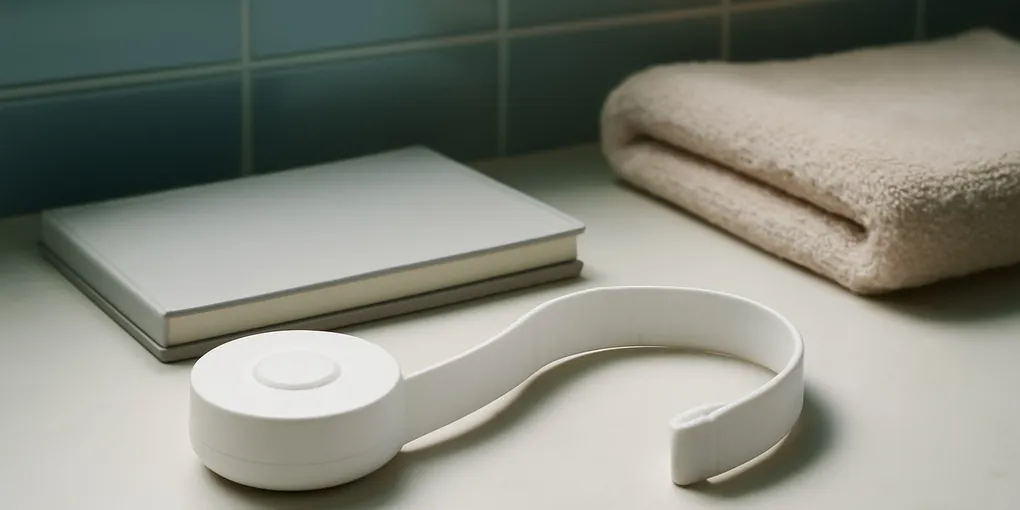
A smart tape measure is a retractable body tape with a small digital module and Bluetooth app connection. The device records the measurement and sends it to an app so you can track trends without typing numbers into a note. Many buyers use it for waist circumference, fitness progress photos, tailoring changes, or body recomposition tracking.
That convenience is real. Manual logging is the boring step where many tracking habits die. But the device does not remove the human part of the measurement. You still need the same anatomical landmark, posture, breathing point, and tape tension each time.
What it does well
The strongest feature is friction reduction. If the device captures and stores measurements quickly, you are more likely to keep a consistent monthly routine. That matters because body measurements are noisy. One reading after a salty dinner or hard training day should not drive a decision.
The retractable format can also help solo measurement. A locking tape is easier than trying to hold a limp tailor tape around the waist while reading tiny numbers in a mirror.
For people who already use connected health tools, the smart tape can fill a gap that scales miss. Weight does not tell you whether waist size, hip size, or limb measurements changed. A tape trend can add context.
Where it disappoints
Accuracy problems usually come from technique, not the electronics. A tape placed one inch higher on the torso can produce a different number. Pulling tighter can make a trend look better than it is. Measuring after a meal can differ from measuring after waking.
The app can also be the weak link. Some users do not want another account, another Bluetooth pairing, or another health-data silo. If the app experience annoys you, the smart feature becomes clutter.
Finally, body-size tracking can become counterproductive for some readers. If measurement routines feed anxiety or compulsive checking, choose broader fitness markers such as strength, energy, or clinical measurements with a professional.
Measurement protocol
Pick one time of day. Morning after using the bathroom and before a large meal is common. Use the same posture every time: standing tall, feet consistent, shoulders relaxed, normal breath. Do not suck in or brace.
For waist circumference, follow a consistent landmark. The CDC and other public-health resources often use waist circumference as a risk-related measure, but protocols vary by landmark. Choose the method you will repeat and write it down.
Take two readings. If they differ meaningfully, take a third and record the closest pair. Monthly or biweekly measurement is usually enough for trend tracking. Daily tape measurements create noise without much insight.
G6 review score
- Research: 18/30. Waist and body measurements are useful trend markers, but the device category itself has limited independent evidence.
- Evidence quality: 17/25. Measurement protocols are well described; app-device accuracy depends on user technique.
- Value: 14/20. Worth it for logging convenience, not for occasional measuring.
- User signals: 11/15. Buyers like easy logging; complaints often involve app friction or pairing.
- Transparency: 7/10. Product pages should clearly state app requirements and battery type.
Composite score: 67/100. A good convenience tool for consistent trackers, not a medical device.
Buy or skip
Buy a smart tape if you measure more than one body site, want trends in an app, and dislike typing numbers manually. It is especially useful if waist measurement is part of a broader routine that includes training, nutrition, and sleep data.
Skip it if you measure once every few months, hate Bluetooth gadgets, or only need a tape for clothing fit. A plain tape works and costs less.
Also skip it if you expect body-fat answers. Circumference can inform a trend, but it does not replace DEXA, clinical assessment, or a well-controlled skinfold protocol.
How it compares with a smart scale
A smart scale is easier because you simply stand on it. The tradeoff is that consumer body-fat estimates can swing with hydration, recent food, and algorithm assumptions. A tape measure requires more effort but captures shape changes that scale weight may hide.
The best setup for many users is not scale versus tape. It is scale weight plus waist trend plus how clothes fit. For another health-tech trend tool with similar limits, see our Garmin Index S2 review.
FAQ
Is a smart tape measure more accurate than a regular tape?
Not automatically. It may reduce logging errors, but placement and tension still decide measurement quality.
Who should buy a RENPHO smart tape measure?
Buy it if app logging is the habit you need. Skip it if you only need occasional measurements or dislike connected health gadgets.
Can a smart tape measure estimate body fat?
Some apps may offer estimates, but circumference data is a trend tool. It is not a body-composition lab test.
Sources and further reading
- CDC adult BMI and waist circumference context: https://www.cdc.gov/bmi/adult-calculator/bmi-categories.html
- NIH/NHLBI practical guidance on waist circumference risk context: https://www.nhlbi.nih.gov/health/educational/lose_wt/risk.htm
- NIST handbook background on measurement traceability and uncertainty: https://www.nist.gov/pml/weights-and-measures/metric-si/si-units