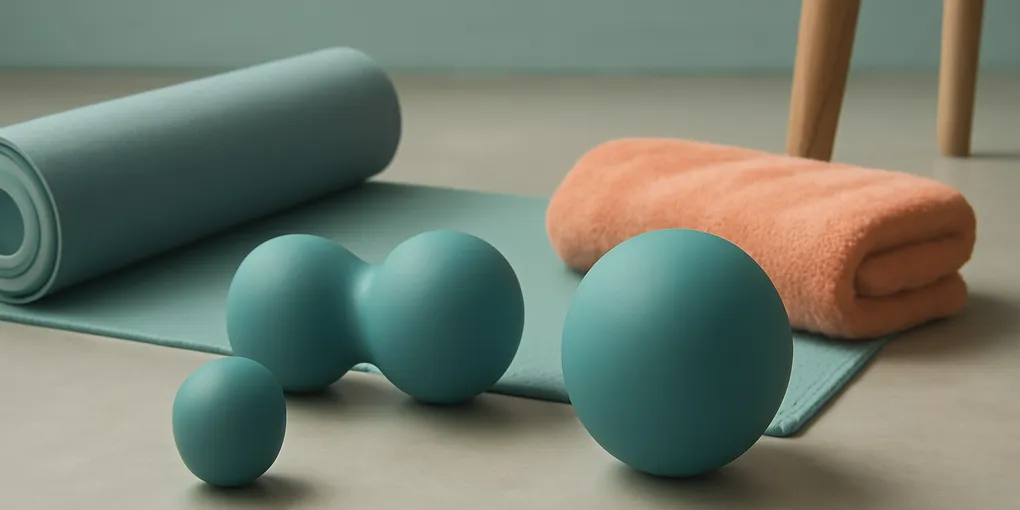
Best Massage Balls for Feet, Glutes, and Desk Tension: Size, Grip, and Pressure Control
Buyer's GuideTriggerPoint MB1 Massage Ball
Best firm all-around ballBest Use: Glutes, calves, and targeted wall pressure with grippy foam/rubber feel
Check current price
Quick picks
| Product | Key Specs |
|---|---|
| See price on Amazon |
|
| See price on Amazon |
|
| See price on Amazon |
|
| See price on Amazon |
|
Product availability, certifications, and retailer details can change; check the current Amazon page before buying.
Bottom line
For massage balls, the useful shortlist is TriggerPoint MB1 for firm wall pressure, Tune Up Fitness Alpha Ball for a gentler large contact patch, RAD Roller for spine-adjacent thoracic work, and Pro-Tec spiky ball for foot rolling. Treat the quick picks as model-specific shortlists, then confirm current dimensions, materials, return terms, and seller details before ordering.
Quick picks
- Best firm all-around ball: Search Amazon for TriggerPoint MB1 Massage Ball — glutes, calves, and targeted wall pressure with grippy foam/rubber feel. Can still be too aggressive on ribs, neck, or fresh injuries.
- Best gentler large ball: Search Amazon for Tune Up Fitness Alpha Ball — sensitive glutes, hips, and upper-back work where a lacrosse ball feels too sharp. Larger diameter is less precise for small foot spots.
- Best spine-adjacent/peanut option: Search Amazon for RAD Roller Original massage tool — thoracic muscles beside the spine and paired muscle groups. Avoid direct pressure on vertebrae and neck.
- Best foot-grip pick: Search Amazon for Pro-Tec Athletics Spiky Massage Ball — arches, plantar fascia, and desk-side foot rolling. Texture can irritate sensitive feet if pressure is too high.
Start with pressure control before buying the hardest ball you can find. The MB1-style ball is the general foot-and-glute pick, the Alpha Ball is easier for broad glute pressure, the RAD Roller shape helps with braced desk work, and a lacrosse ball is the cheap option only if you tolerate a very firm surface.
How to choose by body area
Feet need control more than intensity. A spiky ball can feel good for some arches, but it can also irritate sensitive tissue if you grind hard while standing. Start seated, roll slowly from heel toward the ball of the foot, and use pressure that feels tolerable the next morning. If plantar heel pain is sharp, worsening, or first-step severe, the ball should not replace assessment.
Glutes and calves can tolerate a firmer ball, but floor pressure gets intense quickly. Begin against a wall so you can adjust load. For glutes, avoid pressing directly on the tailbone or sciatic-type symptoms. For calves, avoid rolling over bruises, varicose veins, or unexplained swelling.
Upper-back work is where the peanut shape is useful. Two connected balls can sit beside the spine while the groove spares the spinous processes. Keep the target around the thoracic muscles, not the neck. If numbness, tingling, radiating arm pain, or dizziness appears, stop.
For broader recovery tools, compare massage balls with a foam rolling protocol or the Theragun Mini. A ball is cheaper and more targeted; a roller is better for large areas; percussion devices are easier to overdo because the motor hides pressure decisions.
Buyer checklist
| Check price | Pick | Best for | Avoid if |
|---|---|---|---|
| Search Amazon for Pro-Tec Athletics Spiky Massage Ball | Textured foot ball | Arches, plantar fascia, desk-side rolling | You bruise easily or dislike surface texture |
| Search Amazon for TriggerPoint MB1 Massage Ball | Firm lacrosse-style ball | Glutes, calves, deep wall pressure | Neck, spine, ribs, sensitive feet |
| Search Amazon for RAD Roller Original massage tool | Peanut ball | Thoracic muscles beside the spine | Direct neck pressure or severe back symptoms |
| Search Amazon for Tune Up Fitness Alpha Ball | Soft cork ball | Beginners and lower-pressure travel use | You want very firm deep pressure |
Practical score
| Factor | Weight | Score | Rationale |
|---|---|---|---|
| Research | 30% | 5.2 | Self-myofascial release evidence is mixed but plausible for short-term range-of-motion and soreness perception. |
| Evidence Quality | 25% | 4.8 | Studies vary by tool, pressure, body region, and outcome; trigger-point claims are often overstated. |
| Value | 20% | 8.5 | Low cost, small size, and long durability make the category easy to justify. |
| User Signals | 15% | 7.0 | Users can feel immediate pressure changes, but many choose tools that are too hard. |
| Transparency | 10% | 6.0 | Listings usually show size and material; firmness is less standardized. |
| Composite | 100% | 6.1 | A useful low-cost tool when pressure is controlled and pain claims stay modest. |
A 2015 systematic review on foam rolling and roller massage found acute effects on range of motion and soreness-related outcomes, though protocols and tools varied (https://pubmed.ncbi.nlm.nih.gov/26618062/). That supports cautious use for short-term comfort and movement preparation, not a promise that a ball breaks up adhesions or cures chronic pain.
Pressure rules that prevent regret
Use a 0-10 discomfort scale and stay around 3-5. The sensation can be strong, but it should not feel sharp, electric, nauseating, or like you are bracing to survive. More pressure is not better if you limp afterward.
Move slowly or hold gentle pressure for 20-40 seconds, then reassess. For feet, a few minutes per side is enough. For glutes or calves, use one or two target spots rather than turning the session into a long pain contest.
Do not roll over numb areas, fresh bruises, wounds, swelling, varicose veins, acute injuries, or unexplained lumps. Do not use massage balls to chase nerve symptoms down the leg or arm. Those patterns need a different decision.
Best setup by use case
For desk workers with foot tension, keep a textured foot ball under the desk and use it seated. The key detail is seated pressure. Standing on a small spiky ball can put too much force through one tender spot and make the arch sore later. A rubber ball with enough grip to stay in place is better than a polished ball that shoots across the floor.
For runners with calf tightness, use a firm ball against the wall before trying the floor. Wall pressure lets you target the upper calf, outer calf, or soleus area without dumping full body weight into the tissue. If the goal is warm-up, keep the session brief and follow it with ankle circles or easy walking. If the goal is recovery, avoid grinding the calf after a hard interval day when the muscle is already irritated.
For lifters with glute tension, a lacrosse-style ball can be useful, but the floor may be too aggressive. Start against a wall and aim for the meaty part of the glute, not the tailbone or sciatic notch. If pressure creates tingling, radiating symptoms, or a deep nerve-like zing, stop. That is not a better release.
For upper-back stiffness, the peanut ball is the safest pick in this group because it gives pressure to the muscles beside the spine instead of directly on the vertebrae. Use it on the floor with knees bent, move slowly over the mid-back, and keep it away from the neck. A single hard ball on the spine is the wrong tool.
Material and firmness details
Rubber balls are grippy and easy to clean. They work well on wood floors, mats, and walls. The downside is intensity: dense rubber can feel unforgiving on feet and ribs. If you are buying for a beginner household, choose moderate firmness instead of a ball marketed as extra hard.
Cork is lighter and often feels warmer and less slippery. It is a good travel or office choice, especially for people who do not want a bright plastic recovery tool sitting under a desk. Cork can be less aggressive than dense rubber, but exact firmness varies by brand; the broader self-myofascial-release evidence supports modest comfort and range-of-motion expectations, not claims that one material is therapeutic (https://pubmed.ncbi.nlm.nih.gov/26618062/).
Plastic spiky balls are mainly foot tools. The raised points can make it easier to feel where the ball is under the arch, but they do not need to be sharp. If the points leave deep marks or make the foot guard, choose a smoother ball.
What to skip
Skip oversized kits with ten shapes if you do not know the target area. Most readers need one foot ball, one firm ball, or one peanut ball. Extra shapes create clutter and make the routine harder to repeat.
Skip claims about permanently removing knots, flushing toxins, or rebuilding fascia. A massage ball may change pressure sensitivity, comfort, and short-term movement. It does not replace progressive strength work, footwear changes for foot pain, sleep, or medical evaluation for persistent symptoms (https://pubmed.ncbi.nlm.nih.gov/26618062/).
Skip direct neck work. The neck has smaller structures and less margin for aggressive pressure. If neck symptoms include headache, dizziness, arm tingling, weakness, or trauma history, do not troubleshoot with a hard ball.
Also skip any routine that makes the next workout worse. A useful massage-ball session should leave the area calmer or easier to move, not bruised, hot, or protective. If you need harder pressure every week to feel the same effect, the ball is probably becoming a pain habit rather than a recovery tool; studies of rolling and massage tools support short-term outcomes, so escalating pressure is not evidence-based recovery progression (https://pubmed.ncbi.nlm.nih.gov/26618062/).
FAQ
Is a lacrosse ball too hard for massage?
It can be too hard for beginners, sensitive feet, ribs, neck, or irritated tissue. Use a wall instead of the floor to reduce pressure, or choose cork or rubber with more give.
What size massage ball is best for feet?
Many feet do well with a golf-ball to tennis-ball size, but pressure matters more than size. Start gentle and avoid bruising the arch.
Can massage balls fix trigger points?
They may temporarily reduce sensitivity or help you relax tight-feeling areas, but they do not diagnose or permanently erase pain sources.
Should I roll directly on my spine?
No. Use a peanut ball or two-ball design beside the spine, keep pressure on muscle, and avoid direct bony pressure.