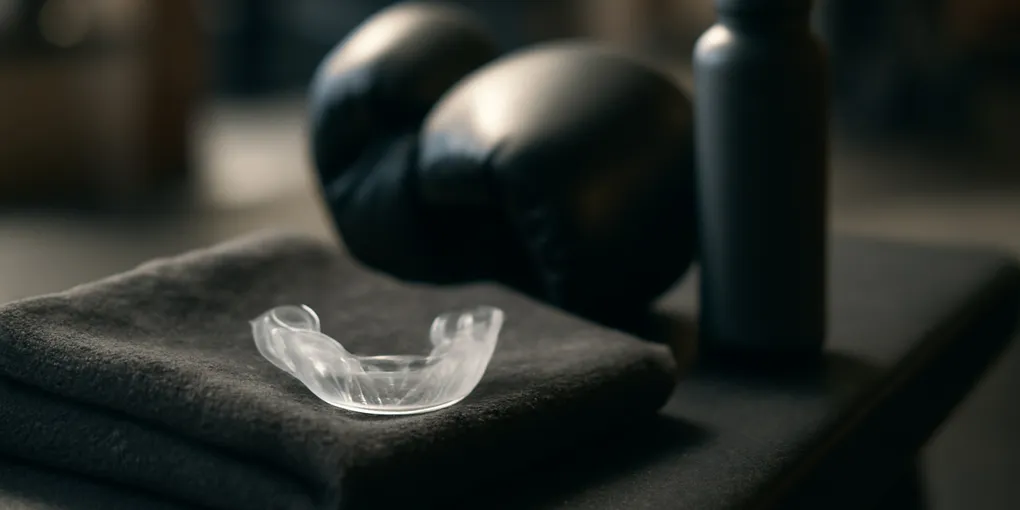
Sports Mouthguards for Training: Protection Tool, Not a Performance Hack
Evidence ExplainerQuick picks
Shock Doctor Gel Max boil-and-bite mouthguard
★ Top pick- Best for: Boxing classes, martial arts drills, and field sports where an over-the-counter guard is acceptable
- Check first: Bulkier than a custom dental guard and fit depends on molding
SISU Aero thin sports mouthguard
- Best for: Athletes who hate bulky guards and need easier breathing and talking
- Check first: Thin profile may not be the right choice for high-impact combat sports
Bottom line
A sports mouthguard is a protection purchase. It may make some athletes feel more confident when bracing or sparring, but the strongest reason to wear one is dental injury risk, not a guaranteed boost in power output. The American Dental Association states that properly fitted mouthguards can help reduce oral injuries in sports, especially activities with contact, falls, flying equipment, or collisions.
If you need an affordable guard for recreational boxing, basketball, field sport, or contact drills, start with See current Shock Doctor Gel Max mouthguard prices on Amazon. If bulk makes you avoid wearing a guard, compare See current SISU Aero mouthguard prices on Amazon and confirm it fits your sport’s rules.
Quick picks
- Contact-class default: Search Amazon for Shock Doctor Gel Max mouthguards if you want an affordable boil-and-bite guard for recreational contact drills.
- Low-bulk option: Search Amazon for SISU Aero mouthguards if speaking and breathing matter more than a cushiony feel.
- Dental-work route: see a dentist for a custom guard if you have braces, implants, crowns, veneers, or prior dental trauma.
What the evidence supports
Dental organizations are clear on the protection job. Mouthguards create a physical barrier between teeth, lips, cheeks, and impact forces. They do not make risky drills safe, and they do not replace helmets or coaching, but they are one of the few cheap pieces of gear that can prevent an expensive dental day.
Performance claims are murkier. Some studies have examined jaw clenching, occlusal splints, or mouthguard effects on strength, balance, ventilation, or power. Results vary by design, athlete, and guard type. That means a guard may help a specific athlete feel stable, but the public claim should stay modest: wear it when your mouth is at risk, and treat any performance benefit as a bonus to test personally.
Who should use one
Use a sports mouthguard for boxing, martial arts, rugby, lacrosse, hockey, basketball, mountain biking, field sports, and drills where a stray elbow or fall is plausible. Also consider one for heavy barbell work if you clench hard and have a dentist’s guidance, but do not confuse a lifting mouthpiece with impact protection.
If you have braces, implants, veneers, crowns, jaw pain, or a history of dental trauma, ask a dentist before buying a generic guard. A custom guard costs more, but it can protect expensive dental work and avoid fit problems that make people stop wearing the guard.
How to choose a guard
Fit decides whether the guard gets worn. A boil-and-bite guard should stay in place without constant chewing after the molding step. Follow the boil time, bite pressure, and cold-water set time from the package instead of improvising; overheating can thin the bite channels and make the guard loose. If you must bite hard just to keep it from falling, breathing and talking will suffer. Remold if the instructions allow it. Replace the guard if it warps, cracks, develops rough edges, or no longer snaps around the upper teeth.
Thickness is a tradeoff. Bulkier gel guards such as the Shock Doctor Gel Max style usually feel more cushioned for recreational contact drills, but the extra material can interfere with breathing, coaching cues, and compliance. Thin guards such as the SISU Aero style are easier to talk through and may suit non-collision court or field athletes, but they are not the automatic pick for sparring or heavy impact. Match the guard to the sport’s rulebook, contact level, and your dentist’s advice instead of buying the thinnest or thickest option by default.
Case hygiene matters. A damp guard tossed into a gym bag is a biofilm project. Rinse it after use, let it dry, and store it in a ventilated case rather than a sealed plastic bag. Replace it after illness, visible wear, fit changes, or a season of heavy contact use. Teens may need replacement sooner because dental alignment changes as they grow.
Practical score
For recreational contact training, a well-fitted boil-and-bite guard scores 8.2/10. Fit retention is 30% of the score, sport-appropriate protection 25%, breathing and speech 15%, durability 15%, price 10%, and performance-claim restraint 5%.
SISU-style thin guards score well for comfort but lower for high-impact confidence. Dentist-made custom guards score higher for fit and dental complexity, but they are not an Amazon impulse buy.
When a mouthguard is the wrong answer
Do not use a sports guard to treat sleep grinding unless your dentist recommends it. Night guards and sports mouthguards solve different force problems. Do not use a chewed-up old guard in sparring. Do not buy a guard as a workaround for jaw pain, headaches, or tooth sensitivity that needs dental evaluation.
For lifting, the best first fix for poor bracing is coaching, breathing practice, and load selection. A mouthguard can protect teeth from clenching habits, but it will not teach a stable squat or deadlift.
Where it fits in a training kit
A mouthguard belongs in the same safety category as wraps, a helmet, or a properly fitted shoe: it reduces a specific downside, but it does not make poor training choices smart. For athletes who clench hard during heavy lifts, it may sit next to chalk and a belt. For contact drills, it should be packed with the equipment that always goes to practice, not left loose in a car.
If you are buying general strength gear instead, our home gym flooring guide is a better first purchase for reducing slips and protecting equipment. Buy the mouthguard when the sport or dental history gives it a clear job.
Fit test before you train
After molding, the guard should stay seated when your mouth is open. You should be able to breathe through the mouth well enough for the sport. Speech can be imperfect, but coaching cues should still be possible. If you gag, chew constantly, or spit it out between rounds, the guard is not functionally protective because you will not wear it.
Run one low-intensity session before contact. Drink water, practice breathing, and check whether the guard rubs the gums. A rough edge that feels minor in the kitchen can become distracting after sweat and repeated jaw movement.
Sports Mouthguard FAQ
Should I choose upper or lower mouthguard?
Most over-the-counter sports guards are upper guards. Athletes with braces or unusual dental needs should ask a dentist which design fits their sport and mouth.
How often should I replace a mouthguard?
Replace it when it feels loose, looks cracked, gets chewed thin, or no longer cleans well. Growing athletes may need replacements more often as teeth and jaws change.
Can I wear a mouthguard for running?
Most runners do not need one unless there is a specific dental or clenching reason. The clearer use case is contact, collision, fall, or equipment-strike risk.
Sources
- American Dental Association: Mouthguards
- American Academy of Pediatric Dentistry: Policy on prevention of sports-related orofacial injuries
- Knapik et al., Sports Medicine: Mouthguards in sport activities
Frequently Asked Questions
- Evidence for performance enhancement is inconsistent. Buy a mouthguard for tooth and oral injury protection first, not for a promised strength boost.
- A well-molded boil-and-bite guard can be useful for many recreational settings, but a dentist-made guard is the better route for complex dental work or high-risk sport.
- No. Night guards are made for grinding forces during sleep, not impact protection during sport.