Pickle Juice for Muscle Cramps: Reflex Trick, Sodium Shortcut, or Overrated Sideline Habit?
Evidence ExplainerQuick picks
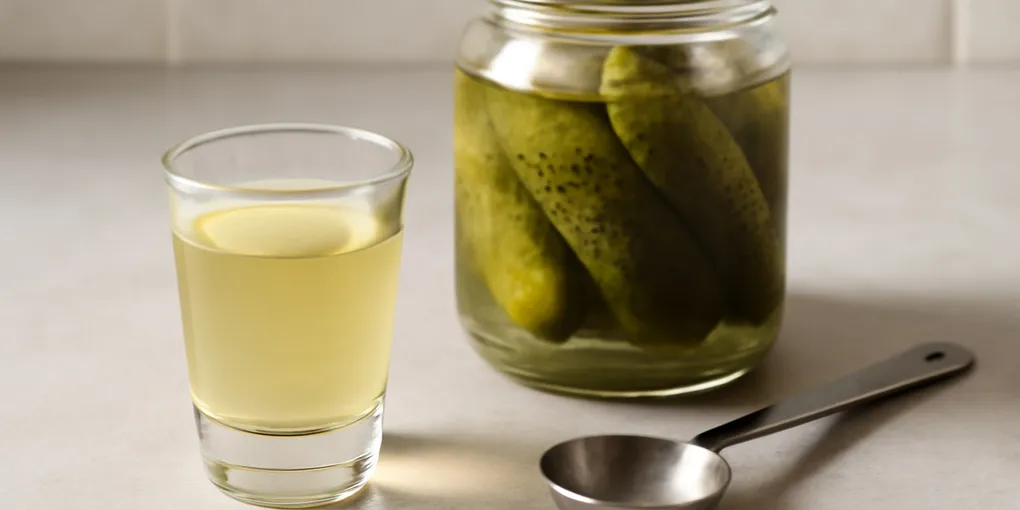
Small pickle brine shots
★ Top pick Best cautious trial- Best Use: Occasional cramp-prone athletes who tolerate salty vinegar flavor
- Caveat: Not for people who need to limit sodium or have reflux triggered by acidic drinks
Electrolyte drink mix
Better for fluid planning- Best Use: Hot, long, or high-sweat sessions where fluid and sodium planning matter
- Caveat: Electrolytes do not automatically prevent every cramp
Pickle juice is one of the stranger sports habits that refuses to disappear. Athletes drink a salty, acidic shot when a calf, hamstring, or foot cramps. The folk explanation is simple: cramps happen because you lost salt, so salty brine fixes the cramp. The actual evidence is more interesting and less universal.
If you want to test it, treat pickle juice as a small emergency tool, not a hydration plan. Search Amazon for pickle juice shots only if you tolerate salty vinegar and have no sodium restriction. For hot or long sessions, search Amazon for electrolyte drink mixes and plan fluid before the workout instead.
Quick picks
- Best narrow trial: small pickle juice shots for an athlete who gets occasional exercise cramps, tolerates vinegar, and wants a portable sideline option.
- Better prevention tool: a sodium-containing electrolyte mix for long, hot, high-sweat sessions where fluid planning starts before the cramp.
- Skip both and get guidance: cramps with swelling, weakness, heat illness symptoms, medication changes, kidney disease, heart failure, or a sodium restriction.
Bottom line
Pickle juice may help some exercise-associated muscle cramps quickly, but probably not because sodium reaches the muscle in seconds. The leading explanation is a reflex from strong vinegar/salt stimulation in the mouth and throat that changes motor-neuron excitability. That makes pickle juice a possible cramp-interruption trick, not proof that every cramp is a salt problem.
Use it cautiously if cramps are occasional, predictable, and linked to hard training. Do not use it to ignore repeated severe cramps, heat illness symptoms, medication side effects, or medical conditions.
Practical score
| Factor | Weight | Score | Rationale |
|---|---|---|---|
| Research | 30% | 5.5 | There are small human studies on pickle juice and induced cramps, but not enough to treat it as a universal remedy. |
| Evidence Quality | 25% | 5.0 | The fast effect supports a reflex theory more than rapid electrolyte replacement. |
| Value | 20% | 6.5 | A small bottle is cheap, but the use case is narrow and the taste limits adherence. |
| User Signals | 15% | 6.0 | Some athletes swear by it; others get nausea, reflux, or no benefit. |
| Transparency | 10% | 6.5 | Sodium content is often labeled, but acidity and serving size vary. |
| Composite | 100% | 5.7 | A plausible niche tool for some cramps, not a replacement for conditioning, pacing, and heat planning. |
What the cramp studies suggest
A frequently cited study found that pickle juice relieved electrically induced muscle cramps faster than no fluid in hypohydrated participants (PMID: 19997012, https://pubmed.ncbi.nlm.nih.gov/19997012/). The timing matters. The cramp reduction happened too quickly for the sodium and fluid to be absorbed, enter circulation, and correct a whole-body electrolyte deficit.
A later paper examined vinegar-related stimulation and motor-neuron excitability, supporting the idea that strong oral or esophageal stimuli may influence cramp pathways (PMID: 23478491, https://pubmed.ncbi.nlm.nih.gov/23478491/). That does not mean vinegar is magic. It means the nervous system may be part of the cramp story.
This is why pickle juice can make sense as a sideline shot but not as a complete prevention plan. If the cramp is driven by fatigue, intensity, heat stress, unaccustomed workload, or pacing, brine does not fix the underlying training error.
When pickle juice makes sense
It is most reasonable for an athlete who gets occasional, predictable cramps during hard efforts and wants a small, portable option. A shot-sized amount is the ceiling for a first trial. The goal is to see whether the strong taste interrupts the cramp without upsetting the stomach.
Try it in training before competition. Do not discover during a race that vinegar triggers reflux. Do not combine repeated shots with heavy sodium intake just because the first one seemed to help.
If you already use a hot-weather plan, pickle juice sits behind the basics: acclimation, pacing, fluids, sodium as needed, and adequate carbohydrate for long sessions. The National Athletic Trainers’ Association fluid replacement statement emphasizes individualized fluid replacement for physically active people rather than a single drink rule (https://www.nata.org/sites/default/files/fluid_replacement_for_the_physically_active.pdf).
When electrolytes matter more
For long sessions, hot weather, heavy sweating, or visible salt loss, an electrolyte drink is more useful than waiting for a cramp and taking a brine shot. Electrolytes help with fluid planning. They do not guarantee cramp prevention, but they address a different job: maintaining intake across the session.
Use our electrolyte powder for hot workouts evidence guide if your main problem is heat and sweat, not a sudden isolated cramp. Pickle juice is reactive. Fluid planning is proactive.
Who should skip pickle juice
Skip it if you have a sodium restriction, hypertension that is being actively managed, kidney disease, heart failure, reflux that flares with acidic foods, or a clinician’s advice to limit salty foods. A tiny shot may still be too much for some people, and the internet is not the right place to override medical guidance.
Also skip it if cramps are frequent, severe, one-sided with swelling, linked to weakness or numbness, or happening at rest without a clear training trigger. Those are not normal sideline annoyances.
How to test it safely
Pick one normal training session where cramps sometimes happen. Bring one portioned shot, roughly 2 to 3 ounces, not a full jar or large bottle. If a calf or foot cramp starts, stop the activity, move out of traffic or off the treadmill belt, and sip the shot rather than chugging repeated servings. Note time to relief, reflux/nausea, thirst, and whether the same muscle cramps again within 15 minutes.
If nothing changes after one small trial, do not keep increasing the dose. Compare the session to the basics that actually change cramp risk for many athletes: sudden hill work, new shoes, heat exposure, missed fluids, poor sleep, and a faster pace than usual. Cramps are rarely solved by one condiment.
Pickle Juice for Cramps FAQ
Is pickle juice better than an electrolyte drink?
Not for hydration planning. Pickle juice may interrupt a cramp quickly for some people, while electrolyte drinks are better for planned fluid and sodium intake during longer or hotter sessions.
Does the sodium work immediately?
Probably not. The fast response seen in small studies is too quick for normal sodium absorption to explain the effect by itself.
Can I use regular pickle jar brine?
You can, but serving size and sodium content vary. Commercial shots are easier to portion. Either way, test tolerance in training and avoid repeated large doses.
Frequently Asked Questions
- Small studies suggest it may shorten some experimentally induced cramps quickly, likely through a mouth/throat reflex rather than fast sodium replacement.
- Studies and sideline use often involve small amounts, roughly a shot-sized dose. More is not automatically better and can upset the stomach.
- Avoid or ask a clinician first if you restrict sodium, have hypertension, kidney disease, reflux, or take medications affected by sodium and fluid balance.