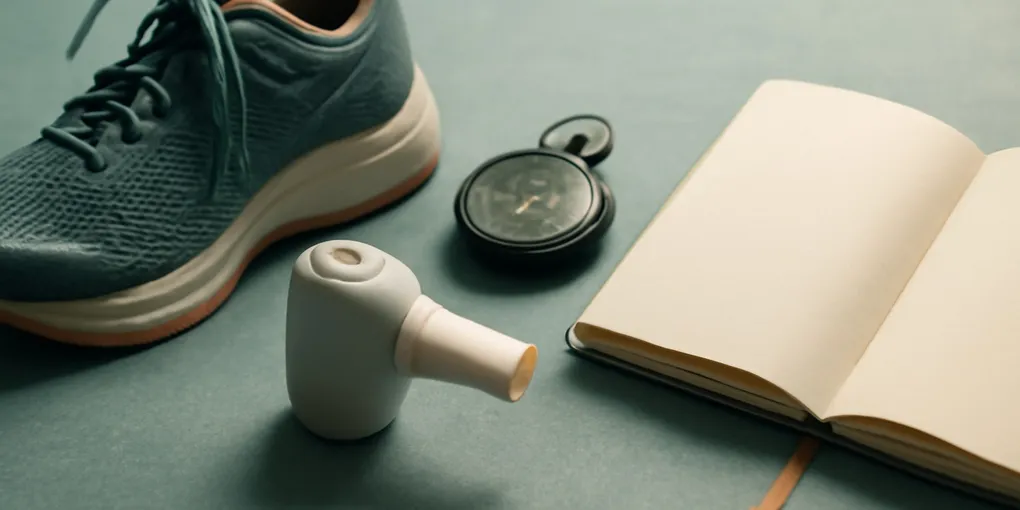
Inspiratory Muscle Trainers for Runners: Evidence, Breathing Load, and Buyer Cautions
Evidence ExplainerQuick picks
Adjustable inspiratory muscle trainer
★ Top pick Best first device type- Best Use: Runners who want a structured breathing-muscle accessory, not a replacement workout
- Caveat: Resistance should be measurable or clearly adjustable, not just a hard mouthpiece
Threshold respiratory trainer
Best for clearer resistance steps- Best Use: Users who want repeatable resistance instead of vague light-to-hard settings
- Caveat: People with asthma, COPD, chest pain, or unexplained breathlessness should ask a clinician first
Bottom line
Inspiratory muscle trainers are small resistance devices for the muscles that help you breathe in. For runners, the realistic promise is narrower than the marketing: they may make hard breathing feel more controlled for some people, but they do not replace aerobic training, pacing, heat preparation, or medical evaluation for unusual shortness of breath.
If you buy one, choose an adjustable device with repeatable resistance. Search Amazon for adjustable inspiratory muscle trainers, then look for clear resistance steps, washable mouthpieces, and instructions that describe short sets rather than heroic breathing sessions.
Quick picks by breathing-training need
- Adjustable inspiratory trainer: best first buy for runners who want a low-cost trial with resistance that can be raised gradually.
- Threshold-style trainer: best if you want clearer repeatability between sessions and fewer vague light, medium, hard settings.
- Skip the device: best if breathlessness is new, includes wheezing or chest tightness, or appears at unusually easy paces.
What the evidence can support
Respiratory muscle training has been studied in endurance athletes, clinical populations, and mixed exercise settings. Reviews generally suggest possible improvements in respiratory muscle strength and some performance or perceived-exertion measures, but effects are not uniform and depend on protocol, training status, and outcome measured. That is useful, but it is not a guarantee that a device will lower your 10K time.
A runner who already trains consistently may notice the most value during hills, tempo work, or hot conditions where breathing discomfort becomes part of the limiter. A beginner who is undertrained will usually get more benefit from gradually building easy mileage and interval tolerance.
Who should be cautious
Do not use a breathing trainer to self-treat chest tightness, wheezing, faintness, unexplained breathlessness, or exercise-induced symptoms. Those need medical context. People with asthma, COPD, recent respiratory infection, heart symptoms, or dizziness with breathing drills should ask a clinician before adding resisted breathing.
The device should not make you lightheaded. It should not trigger panic breathing. If you finish a set feeling worse, stop and reduce the resistance or abandon the tool.
What to buy
The key feature is repeatability. A threshold-style device or a clearly adjustable trainer lets you return to the same resistance and progress gradually. A vague mouthpiece that simply feels hard gives you less control. Search Amazon for threshold inspiratory muscle trainers if you want clearer settings.
Also check cleaning. A mouthpiece device needs washing and drying. If the design has hidden crevices or replacement parts are unavailable, daily use becomes less appealing. A storage case is useful only if the mouthpiece can dry first.
A conservative runner setup
Use the device away from hard workouts at first. Try one easy set on a rest day or after an easy run, not before intervals. For adjustable trainers, start at the lowest marked resistance or the first setting that lets you finish every breath without shoulder shrugging, neck tension, or a forced gasp. Keep posture tall, seal the mouthpiece, follow the manufacturer’s inhale-and-rest rhythm, and stop well before dizziness. Track the exact setting, breaths completed, symptoms, and the next run quality in the same place you track mileage so the breathing block has a real before-and-after record.
Give the experiment four weeks and keep the running variables boring: same warmup, similar route, similar caffeine timing, and no new shoe or workout change during the test block. If hard runs feel better but weekly mileage, heat exposure, or interval structure also improved, credit the trainer as one possible small contributor rather than the whole explanation.
BSR usefulness score
We score inspiratory muscle trainers on resistance repeatability 30%, cleaning design 20%, instruction quality 20%, comfort and mouthpiece fit 15%, and claim restraint 15%. A modest adjustable device with clear instructions beats an expensive gadget that promises altitude effects or instant VO2 max gains.
For runners, this is an accessory category. It sits below consistent training, sleep, nutrition, and pacing. It may be worth a trial if breathing discomfort is a recurring limiter and no medical red flags are present.
How it compares with simpler breathing work
Nasal breathing drills, relaxed exhale practice, and pacing discipline can help some runners without buying a device. They also have limits. If you are sprinting up a hill, breathing will feel hard because the work is hard. A trainer should not become another way to blame technique for normal effort.
Use the device for a defined block, then judge whether it changed something specific: less panic during tempo pace, better control on hills, or easier breathing during warmups. If the only result is one more habit to maintain, skip it.
For runners who are really struggling with pace control, a breathing trainer is usually less important than learning what hard-but-sustainable effort feels like. Our tempo run heart-rate protocol is a better first step if the problem is that every workout turns into a race. Pairing that kind of pacing work with a breathing device is more defensible than buying the device and leaving the run structure unchanged.
Practical red flags during use
Stop a set if you feel chest pressure, wheezing, tingling, dizziness, or a headache. Also stop if the drill makes you anxious enough that your next run starts with dread. Breathing practice should make training calmer and more repeatable, not create another performance test.
Sources and safety notes
A 2022 systematic review and meta-analysis of inspiratory muscle training in physically active adults reported improvements in respiratory pressure measures and mixed sport-performance outcomes, with protocol and population differences affecting results (PMID: 36671748). The American Lung Association notes that shortness of breath, wheezing, chest tightness, or breathing symptoms with activity can need medical evaluation (ALA: warning signs of lung disease).
Breathing trainer FAQ
Should I use a breathing trainer before a race?
Do not introduce it during race week. Test it during ordinary training first so mouthpiece comfort, dizziness risk, and resistance settings are known.
Can a breathing trainer replace interval workouts?
No. It trains breathing muscles against resistance. It does not replace the cardiovascular and muscular work of running.
What is the biggest buying mistake?
Buying a device with vague resistance and then using it too hard. The better purchase is adjustable, cleanable, and boring enough to use consistently for a short trial.
Frequently Asked Questions
- They may help some athletes tolerate breathing effort, but they are not a substitute for running volume, intervals, sleep, or heat acclimation.
- Common protocols use short daily sets, but beginners should start conservatively and stop if dizziness, chest discomfort, or wheezing occurs.
- No. It adds resistance to breathing muscles. It does not recreate altitude exposure or change oxygen content in the room.