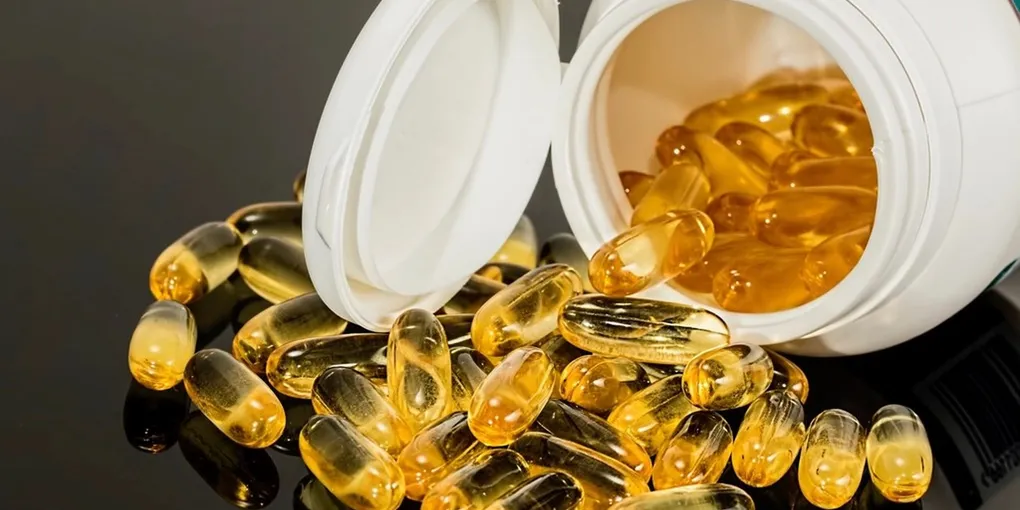
Vitamin D3 K2 Supplement
Best overall matchBest Use: Best overall match
Check current Amazon pricing
Quick picks
| Product | Key Specs |
|---|---|
| See price on Amazon |
|
| See price on Amazon |
|
| See price on Amazon |
|
Product availability, certifications, and retailer details can change; check the current Amazon page before buying.
Best Supplements for Men Over 40: The Complete 2026 Buying Guide
After 40, targeted supplementation is most useful when it answers a documented gap: low vitamin D intake/status, low omega-3 intake, inadequate protein, or a specific training/recovery need. The National Institute on Aging emphasizes that older adults often need more attention to protein, calcium, vitamin D, B12, and hydration, but supplements should fill gaps rather than replace diet and exercise: https://medlineplus.gov/nutritionforolderadults.html.
Average testosterone levels tend to decline gradually with age, but symptoms, medications, sleep apnea, obesity, and lab timing matter more than age alone. MedlinePlus notes that low testosterone diagnosis requires both symptoms and blood testing, not a supplement checklist: https://medlineplus.gov/lab-tests/testosterone-levels-test/.
This guide covers the supplements with the strongest evidence for men over 40, organized by priority. It also covers what to skip.
The Biological Reality After 40
Understanding why certain supplements matter more after 40 makes the choices intuitive:
- Testosterone concerns: Symptoms plus morning lab testing determine whether low testosterone is present; the American Urological Association guideline uses the same symptoms-plus-biochemistry frame: https://www.auanet.org/guidelines-and-quality/guidelines/testosterone-deficiency-guideline.
- Reduced Vitamin D synthesis: Skin produces less vitamin D with age, and NIH ODS lists older age, limited sun exposure, and some medical conditions as deficiency risks: https://ods.od.nih.gov/factsheets/VitaminD-Consumer/.
- Sarcopenia onset: Muscle loss risk rises with aging, which is why protein intake and resistance training usually matter more than a testosterone-booster label. MedlinePlus exercise guidance prioritizes strength work for preserving function: https://medlineplus.gov/exerciseforseniors.html.
- Cardiovascular risk accumulates: Arterial stiffness, blood pressure, LDL cholesterol, diabetes risk, and smoking status are higher-priority targets than most supplement claims. CDC prevention guidance starts with those measurable risks: https://www.cdc.gov/heart-disease/risk-factors/index.html.
- Cognitive aging and sleep: Sleep quality, training consistency, alcohol intake, medications, and cardiometabolic health can all affect cognition and recovery, so supplement picks should stay secondary to those basics.
Some of these have supplement angles worth considering, but testing, diet, resistance training, sleep, and medical risk factors set the floor. Here are the top picks. MedlinePlus older-adult exercise guidance: https://medlineplus.gov/exerciseforseniors.html.
Tier 1: Foundation (Everyone Over 40)
1. Vitamin D3 + K2
Why it matters: Vitamin D is a hormone-like nutrient involved in calcium absorption, bone health, immune function, and muscle function. NIH ODS lists deficiency risks and dosing limits; it does not support megadosing without testing: https://ods.od.nih.gov/factsheets/VitaminD-Consumer/.
K2 (MK-7 form) is often paired with D3 in bone-health formulas, but medication context matters because vitamin K can conflict with warfarin management.
Evidence:
- Vitamin D deficiency is common enough to justify testing in higher-risk men, especially with low sun exposure or malabsorption risk.
- Links between vitamin D and testosterone are not the same as proof that D3 will raise testosterone in men who are already sufficient.
- K2 is a reasonable pairing in some bone-health formulas, but it needs medication caution for people using warfarin; NIH ODS vitamin K notes: https://ods.od.nih.gov/factsheets/VitaminK-Consumer/.
Dose: 2,000–5,000 IU D3 + 100–200mcg K2 MK-7 daily, with a fatty meal
Check Price on Amazon: Vitamin D3 K2 Supplement — see current price on Amazon
2. Omega-3 Fish Oil (EPA/DHA)
Why it matters: Cardiovascular disease risk begins rising in midlife. EPA and DHA can lower triglycerides, but NIH ODS describes mixed evidence for broad cardiovascular-event prevention and flags bleeding/medication cautions at higher intakes: https://ods.od.nih.gov/factsheets/Omega3FattyAcids-Consumer/.
Men who rarely eat fatty fish may have low EPA/DHA intake. That is a diet-pattern problem first and a fish-oil decision second.
Evidence:
- Prescription-strength EPA has cardiovascular-outcome data in selected high-risk patients, but that does not make every fish-oil supplement equivalent.
- EPA-rich omega-3s have mood research, but they are not a replacement for depression diagnosis or treatment.
- DHA is biologically important in the brain, while supplement benefits depend on baseline diet, dose, and health status. Omega-3 dosing and safety context: https://ods.od.nih.gov/factsheets/Omega3FattyAcids-HealthProfessional/.
Dose: 2–3g combined EPA+DHA daily (not total fish oil — read the label). Triglyceride form (rTG) absorbs better than ethyl ester (EE).
Check Price on Amazon: High-EPA Omega-3 Fish Oil
3. Magnesium Glycinate
Why it matters: Magnesium is a cofactor in hundreds of enzymatic reactions and supports muscle, nerve, glucose, and blood-pressure physiology. NIH ODS notes that supplemental magnesium can cause diarrhea and interact with several medications: https://ods.od.nih.gov/factsheets/Magnesium-Consumer/.
Glycinate is the most bioavailable and sleep-supportive form. Citrate is a cheaper alternative with good absorption. Avoid oxide — it absorbs poorly.
Evidence:
- Low magnesium status can overlap with fatigue and poor training recovery, but it is not a standalone testosterone diagnosis.
- Some trials use 400–500mg/day for sleep outcomes; stay within labeled supplemental limits unless a clinician advises otherwise.
- Blood-pressure effects are most relevant for people with elevated baseline readings. Low-testosterone diagnosis requires symptoms plus labs; late-onset hypogonadism clinical context: PMID: 23754792.
Dose: 300–400mg magnesium glycinate at night
Check Price on Amazon: Magnesium Glycinate
Tier 2: Performance and Hormone Optimization
4. Ashwagandha (KSM-66)
Why it matters: Ashwagandha is better treated as a stress and sleep adjunct than as a primary testosterone treatment. NCCIH notes possible short-term stress and sleep benefits, while also flagging liver-injury reports and medication/pregnancy cautions: https://www.nccih.nih.gov/health/ashwagandha.
For men over 40 under chronic work stress, ashwagandha is best framed as a stress-management trial, not as proof of a testosterone deficit.
Evidence:
- Some KSM-66 trials report testosterone, strength, and stress-score improvements in selected populations, but results should not be generalized to every middle-aged man.
- Stress trials report cortisol and perceived-stress changes, while NCCIH still flags product variability and rare liver-injury reports.
- Improves sleep quality and morning alertness in some short trials; safety screening still matters because botanicals vary by extract. NCCIH safety overview for ashwagandha: https://www.nccih.nih.gov/health/ashwagandha.
Dose: 300–600mg KSM-66 or Sensoril, ideally in the evening
Check Price on Amazon: KSM-66 Ashwagandha
5. Creatine Monohydrate
Why it matters: After 40, muscle mass preservation becomes a high-priority physical health target. Creatine monohydrate has unusually strong sports-nutrition evidence for strength and power output when paired with resistance training.
Creatine also has emerging cognitive research, especially in sleep deprivation, vegetarian diets, and aging contexts, but it should not be sold as a broad anti-aging cognitive treatment. ISSN position stand: doi:10.1186/s12970-021-00412-w.
Evidence:
- Increases muscle mass and strength in 85%+ of study participants across hundreds of trials
- Improves cognitive performance, especially in sleep-deprived or aging populations
- Reduces some markers of muscle damage and supports strength training adaptations in resistance-training contexts; see the ISSN creatine review at PMID: 33557850.
Dose: 3–5g creatine monohydrate daily. No loading needed. Take consistently.
Check Price on Amazon: Creatine Monohydrate
6. Tongkat Ali
Why it matters: Tongkat Ali (Eurycoma longifolia) is a Southeast Asian root with the strongest clinical evidence among natural testosterone boosters. It works by reducing sex hormone-binding globulin (SHBG), which frees bound testosterone, and by stimulating Leydig cell testosterone production.
Unlike ashwagandha, tongkat ali is marketed more directly around male-hormone endpoints. Keep the expectation modest: late-onset hypogonadism requires symptoms plus lab evaluation, and herbal trials do not replace testosterone-deficiency care. Clinical context: AUA testosterone-deficiency guideline, plus a tongkat ali review at PMID: 23754792.
Evidence:
- 400mg/day standardized extract: ↑total testosterone 15–37% in multiple trials
- Improves erectile function scores in men with late-onset hypogonadism
- May improve free-testosterone ratios in selected small studies, but lab-confirmed low testosterone belongs with a clinician. Late-onset hypogonadism trial context: PMID: 23754792.
Dose: 400mg/day of a standardized extract (1% eurycomanone), morning
Check Price on Amazon: Tongkat Ali Supplement
Tier 3: Longevity and Cognitive Protection
7. CoQ10 (Ubiquinol)
Why it matters: CoQ10 is essential for mitochondrial energy production (ATP). Endogenous CoQ10 production declines significantly after 40. Statin users are additionally depleted, as statins block the same pathway that produces CoQ10.
Ubiquinol is the reduced, active form — better absorbed than ubiquinone, especially over 40.
Evidence:
- Ubiquinol supplementation reduces cardiovascular mortality markers
- Improves exercise tolerance and reduces fatigue
- Statin users sometimes try CoQ10 supplementation for muscle symptoms, but evidence is mixed enough to treat it as an optional discussion point with the prescriber, not a proven fix. Statin-myopathy review context: PMID: 30371340.
Dose: 200–300mg ubiquinol daily, with a fatty meal
Check Price on Amazon: CoQ10 Ubiquinol
8. Lion’s Mane Mushroom
Why it matters: Lion’s mane is studied for compounds that may influence nerve-growth-factor pathways in preclinical models. Human cognitive evidence is preliminary, so treat it as an experimental mushroom supplement rather than proof of neurogenesis. Small human cognitive trial context: PMID: 18844328.
Evidence:
- 16-week trial: significant improvement in cognitive function scores vs. placebo (Mori 2009)
- Reduces anxiety and depression markers
- Promotes NGF synthesis in preclinical models; human cognitive evidence remains preliminary: PMID: 18844328.
Dose: 500–1000mg standardized extract (>25% beta-glucans) or 1–3g of raw fruiting body powder
Check Price on Amazon: Lion’s Mane Mushroom Supplement
9. NMN or NR (NAD+ Precursors)
Why it matters: NAD+ is involved in mitochondrial function, DNA repair pathways, and cellular energy metabolism, but consumer NMN/NR claims often run ahead of clinical endpoints. Human NMN trials show changes in NAD-related markers and selected metabolic measures; they do not prove broad longevity benefits. NMN insulin-sensitivity trial: PMID: 33888596.
This is one of the most actively researched areas in longevity science. The evidence is promising but not fully established at clinical endpoints.
Evidence:
- NMN and NR both raise NAD+ levels in blood in human trials
- NMN 300mg/day: ↑insulin sensitivity, ↑muscle NAD+, improved walking endurance (Yoshino 2021)
- Ongoing clinical trials for cardiovascular, cognitive, and metabolic endpoints; current consumer use should be framed as experimental rather than proven longevity medicine. NMN human trial context: https://pubmed.ncbi.nlm.nih.gov/33888596/.
Dose: NMN 250–500mg/day or NR 300–500mg/day, morning (on an empty stomach for NMN)
Check Price on Amazon: NMN Supplement
What to Skip (Or Deprioritize)
Generic Testosterone Boosters
Most “T-booster” blends in the market combine ingredients at sub-clinical doses with minimal evidence. Individual ingredients like ashwagandha and tongkat ali work when taken at proper doses — the blends typically don’t deliver therapeutic amounts of anything.
Zinc Supplementation (Unless Deficient)
Zinc supports normal reproductive and immune physiology, but more is not better once intake is adequate. NIH ODS warns that chronic high zinc can interfere with copper status and immune function: https://ods.od.nih.gov/factsheets/Zinc-Consumer/.
HGH Releasers (GABA, Arginine Blends)
These supplements claim to raise growth hormone by stimulating natural GH release. The effect is real but trivial — GH pulses from oral amino acids produce a fraction of the physiological response from heavy resistance training and quality sleep. Food-first older-adult nutrition context: https://medlineplus.gov/nutritionforolderadults.html.
The Core Stack Summary
| Supplement | Dose | Timing | Priority |
|---|---|---|---|
| Vitamin D3+K2 | 2000–5000 IU D3 + 100mcg K2 | Morning with fat | Tier 1 |
| Omega-3 (EPA+DHA) | 2–3g EPA+DHA | With meals | Tier 1 |
| Magnesium Glycinate | 300–400mg | Evening | Tier 1 |
| Ashwagandha KSM-66 | 300–600mg | Evening | Tier 2 |
| Creatine Monohydrate | 3–5g | Any time | Tier 2 |
| Tongkat Ali | 400mg | Morning | Tier 2 |
| CoQ10 Ubiquinol | 200–300mg | Morning with fat | Tier 3 |
| Lion’s Mane | 500–1000mg | Morning | Tier 3 |
| NMN or NR | 250–500mg | Morning | Tier 3 |
Start with Tier 1 — it provides the highest ROI. Add Tier 2 if hormone optimization is a goal. Add Tier 3 for longevity and cognitive protection.
Related Articles
- Best Tongkat Ali Supplement — Detailed review of the best standardized extracts.
- Best NMN Supplement Review — NMN brand comparisons, dosing, and the NMN vs NR debate.
- Best Magnesium Supplement for Sleep — Glycinate, threonate, citrate — which form is best?
Frequently Asked Questions
What is the single most important supplement for men over 40? If forced to pick one, Vitamin D3+K2 is the strongest choice — deficiency is widespread, it affects testosterone, bone density, heart health, and immune function simultaneously, and most men over 40 are deficient. Omega-3 is a close second for cardiovascular protection.
Do testosterone boosters actually work for men over 40? Natural testosterone boosters produce modest and inconsistent effects compared with diagnosed testosterone replacement therapy. KSM-66 ashwagandha and tongkat ali have small human trials, but symptoms plus morning blood testing determine whether low testosterone is present. Diagnosis context: Endocrine Society clinical practice guideline PMID: 29562364.
Is creatine safe for men over 40? Yes — creatine monohydrate is one of the best-studied sports supplements for adults who also do resistance training. For men over 40, the practical case is muscle and power maintenance first; cognitive claims are narrower and still context-dependent. Avoid unsupervised use with pre-existing kidney disease. Standard dose is 3–5g/day without the need to load. ISSN review: PMID 33557850.
Should men over 40 take a multivitamin? A multivitamin is not a substitute for targeted supplementation of nutrients you are actually deficient in. If your diet is poor, a good multivitamin provides a baseline, but it is better to test key biomarkers such as vitamin D, omega-3 index, and testosterone when symptoms or risk factors justify testing. Older-adult nutrition context: https://medlineplus.gov/nutritionforolderadults.html.
What supplements help with testosterone decline after 40? The most evidence-backed natural testosterone supporters are KSM-66 ashwagandha (300–600mg/day), Tongkat Ali (400mg/day), Vitamin D3 (2000–5000 IU/day if deficient), and Zinc (15–30mg/day if deficient). Lifestyle factors — sleep, resistance training, body fat reduction — are more powerful than any supplement. Treat persistent symptoms as a lab-and-clinician question, not a supplement-stack problem; AUA guideline context: https://www.auanet.org/guidelines-and-quality/guidelines/testosterone-deficiency-guideline.
- Best Supplements for Longevity
- Supplement Stacking Guide
- Best Testosterone Booster — use this as a buyer guide, not as a substitute for low-testosterone diagnosis. Medical diagnosis context: AUA testosterone-deficiency guideline.